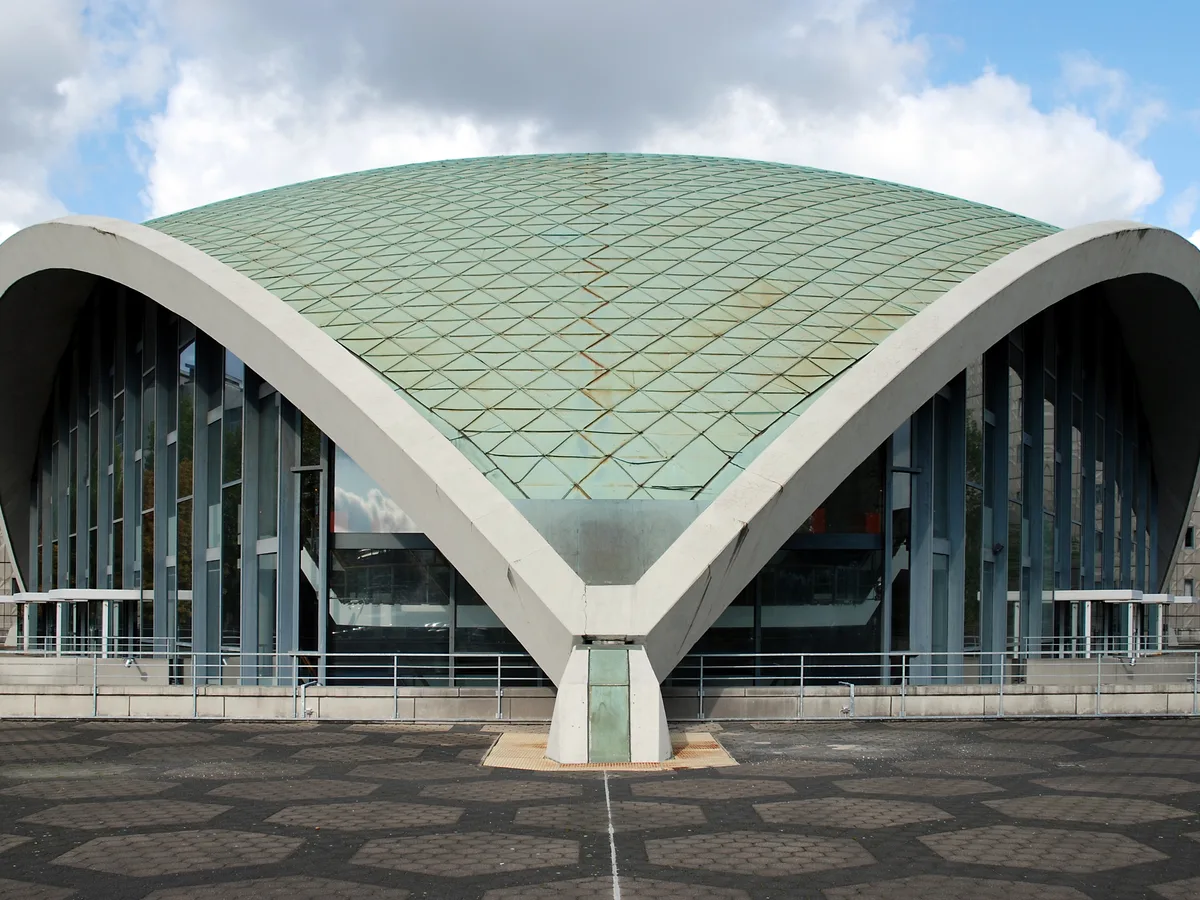
The Theater Dortmund has its origin in 1904 and, with over 500 employees, is one of the largest theatres in Germany (as of 2010). The theatre, to which the Dortmund Opera also belongs, is divided into the six divisions of concerts (Dortmund Philharmonic), music theatre, drama, ballet, children's and youth theatre, and the Academy for Theatre and Digitality, each under its own artistic direction. The first theatrical activities in Dortmund can be traced to the end of the 15th century: in 1498 a representative St. John play is said to have been performed at great expense. For the 16th century, performances of classical Greek and humanist dramas by the Dortmund Gymnasium are recorded. In 1582 a large performance of Johann Rasser's comedy about the king who marries off his son took place. These early theatrical impulses in a prospering city came to an end for a long time during the Thirty Years' War, and Dortmund sank into insignificance culturally as well. A new beginning came only in 1806, when Dortmund, in cooperation with Essen, experienced the National Theatre of the first government in the course of the French administration. But this initiative too failed in 1815, when Dortmund became Prussian.
The Theater Dortmund encompasses opera, drama, ballet, and concerts with the Dortmund Philharmonic — the opera has been considered one of the most distinguished houses for contemporary music theatre in the Ruhr region since the 2000s.
At a glance
- Type
- Multi-genre theatre
- Location
- Dortmund, Germany
More venues in Dortmund
- Konzerthaus Dortmund · Concert hall, Dortmund
- Oper Dortmund · Opera house, Dortmund
More venues in Germany
- Aalto-Theater · Opera house, Essen
- Admiralspalast · Musical theatre, Berlin
- Alte Oper Frankfurt · Concert hall, Frankfurt am Main
- Altonaer Theater · Theatre, Hamburg
- Anhaltisches Theater Dessau · Multi-genre theatre, Dessau
- Ballhaus Naunynstraße · Theatre, Berlin
- Bar jeder Vernunft · Theatre, Berlin
- Bayerische Staatsoper · Opera house, Munich