About the work
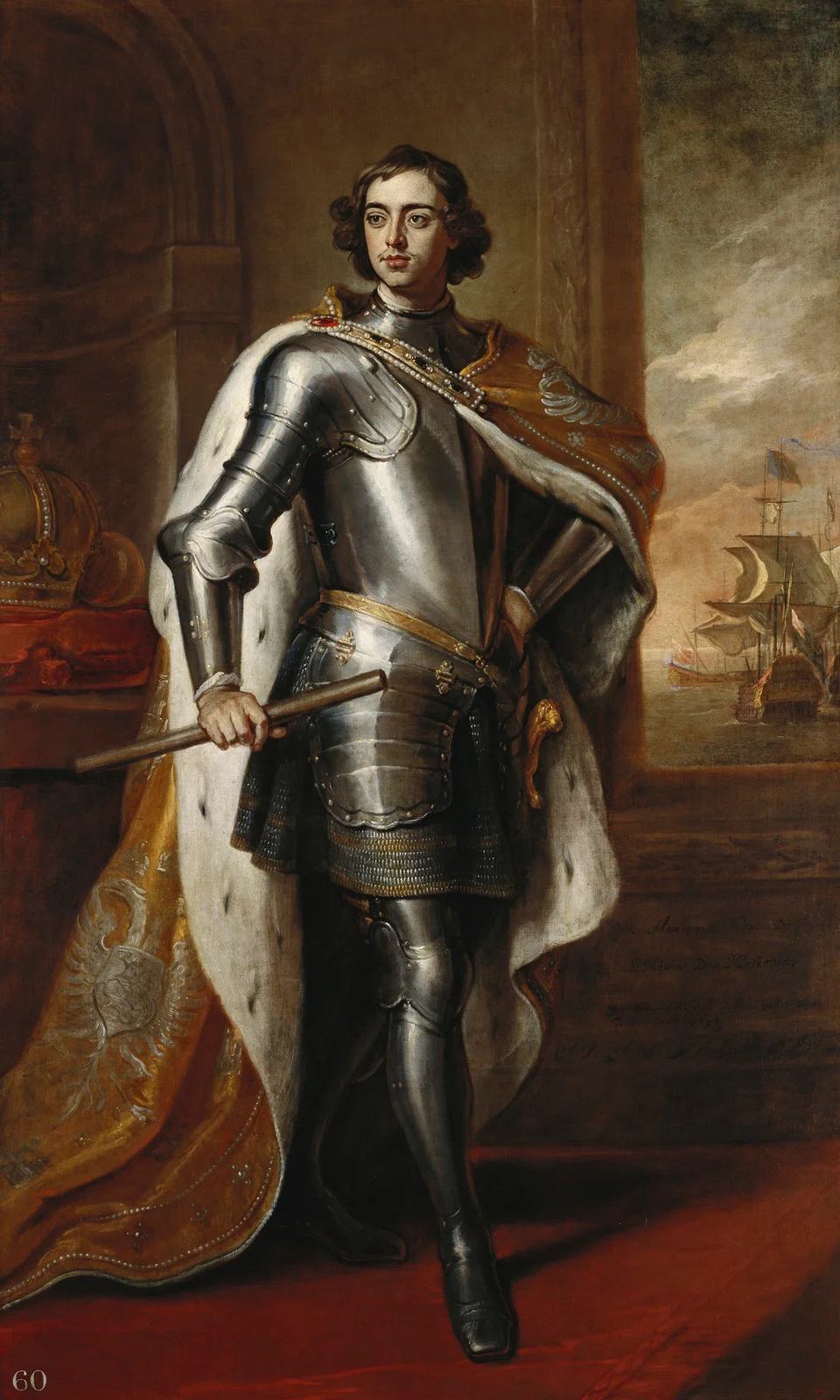
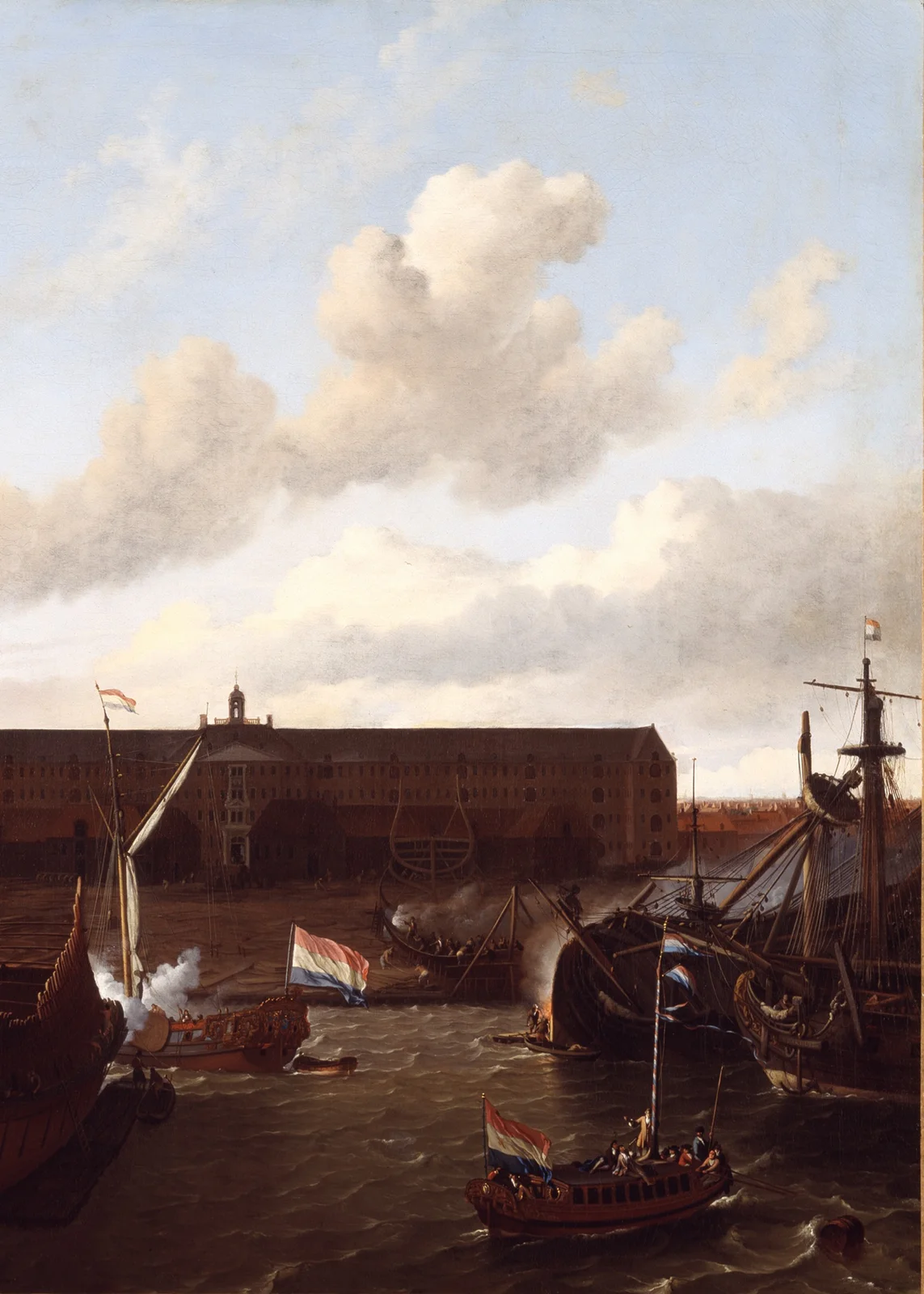
Albert Lortzing's three-act comic-romantic opera was premiered in Leipzig in 1837 and is regarded as the principal work of German Spieloper. Lortzing wrote both music and libretto himself, drawing on a French vaudeville about the young Tsar Peter the Great, who worked incognito in the Dutch shipyards of Saardam to learn the trade.
Plot
At the Saardam shipyard two Russian men named Peter happen to be working — Tsar Peter Mikhailov in disguise and the deserter Peter Ivanov. The Dutch burgomaster Van Bett, charged by several ambassadors with identifying the Tsar, naturally confuses the two. Marie, Van Bett's niece and the deserter's fiancée, is caught between the misunderstandings. While English and French envoys court the supposed Tsar, the real one quietly prepares his journey home. In a turbulent recognition scene the Tsar reveals himself, pardons the deserter, blesses his union with Marie and sails away amid the cheers of Saardam.
Cultural significance
Zar und Zimmermann is Lortzing's most popular work and the very emblem of nineteenth-century German Spieloper. The clog dance and Van Bett's entrance aria „O sancta justitia" belong to the standard repertoire, as does the Tsar's „Sonst spielt' ich mit Zepter". The opera blends bourgeois idyll with political subject matter and shaped the German operatic stage for generations — to this day it remains a fixture in countless municipal theatres.