About the work
“Ungeduld des Herzens” (Beware of Pity) is Stefan Zweig's only completed novel. He began it in 1936, finished it in 1938, and it was published in exile in 1939 by Bermann-Fischer and Allert de Lange. On stage the novel is performed in separate adaptations that keep its title.
Plot
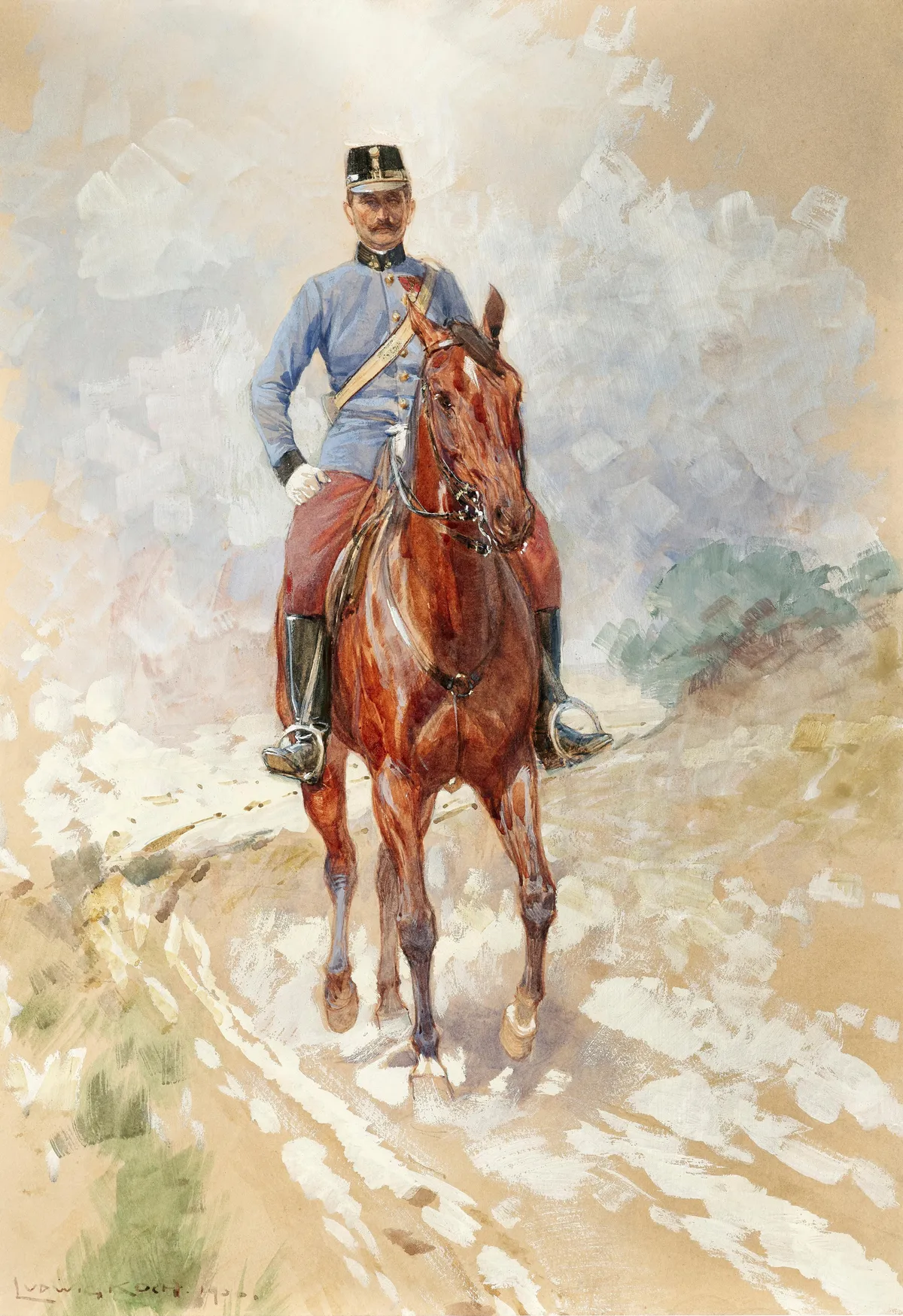
The young lieutenant Anton Hofmiller is invited to the castle of the wealthy Hungarian magnate Lajos von Kekesfalva, where he meets his paralysed daughter Edith. Out of pity rather than love, he lets himself be drawn into an engagement with her, but soon denies it in public. Edith then throws herself from a tower, and Hofmiller, driven by guilt, flees into the first battles of the First World War. An important counterpart is the family doctor, Dr Condor.
Cultural significance
At its heart lies the question of when compassion helps and when it destroys; scholars also see the influence of Nietzsche. The novel became a major popular success, especially in the English-speaking world, and secured Zweig financially in exile, while critics were divided. It has been filmed several times, first by Maurice Elvey in 1946, and was produced as a radio play directed by Gert Westphal in 1961.