About the work
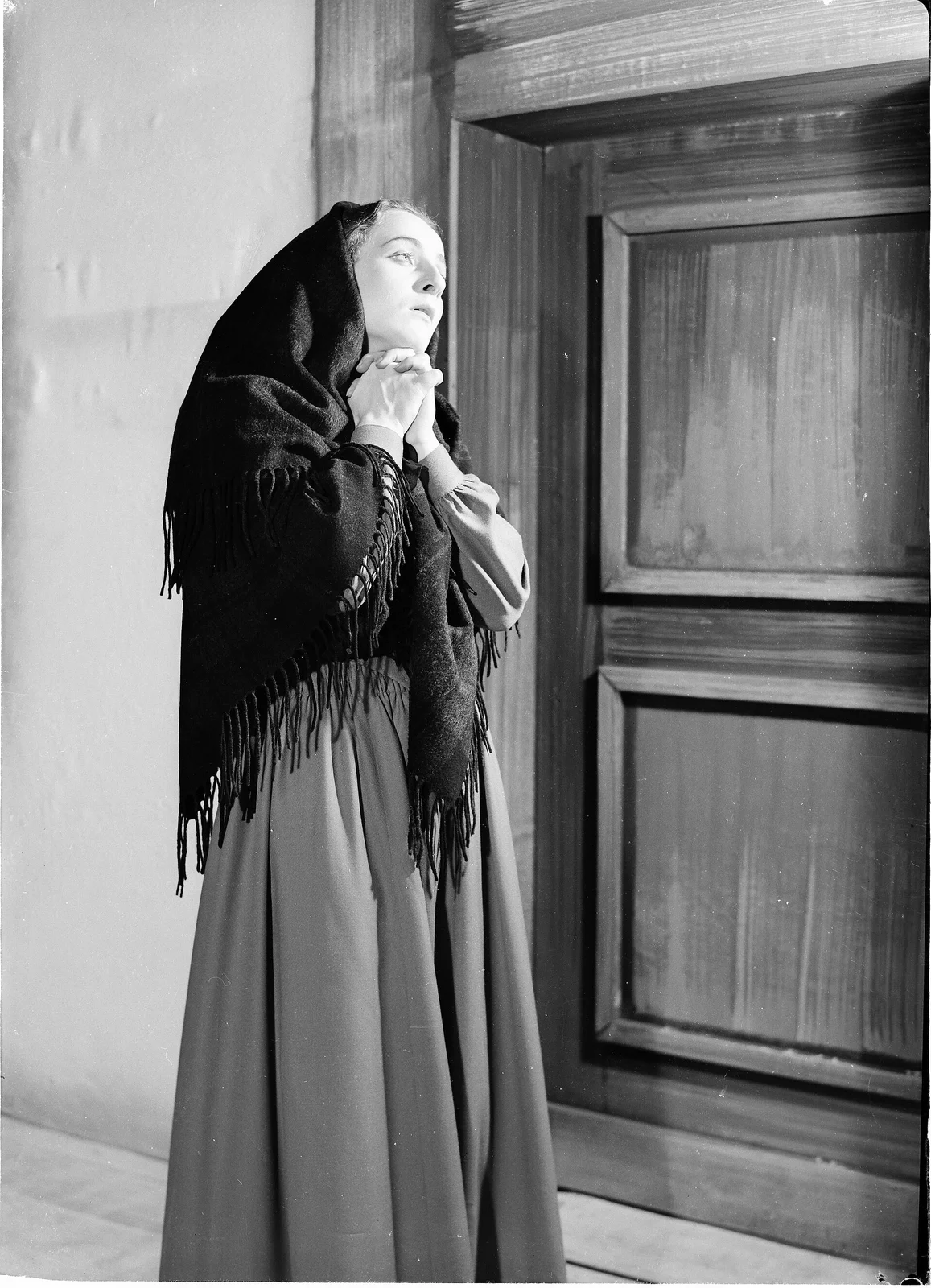
Maria Magdalena is a bourgeois tragedy in three acts by Friedrich Hebbel, written in 1843 and published by Hoffmann und Campe in 1844. The stage premiere did not follow until 13 March 1846, at the Stadttheater in Königsberg. Hebbel originally wanted to name the play after its heroine, "Klara"; the publisher chose the biblically charged title instead.
Plot
The carpenter's daughter Klara is meant to shield her family from disgrace: her brother Karl falls under suspicion of theft, her mother dies, and her fiancé Leonhard abandons the pregnant Klara for a more advantageous match. Seeing no way out, Klara drowns herself in the well.
Cultural significance
The play is considered the last major bourgeois tragedy in German literature and a forerunner of social drama: Hebbel shows how a society clinging to rigid morality and fear of gossip drives an individual to her death.