About the work
Aribert Reimann's opera in two parts was premiered in 1978 at the Bavarian State Opera in Munich and is regarded as the most important operatic work in German of the second half of the 20th century. The libretto by Claus H. Henneberg, after Shakespeare's King Lear, took shape over years in close collaboration with Reimann and was written for Dietrich Fischer-Dieskau, who sang the title role at the premiere.
Plot
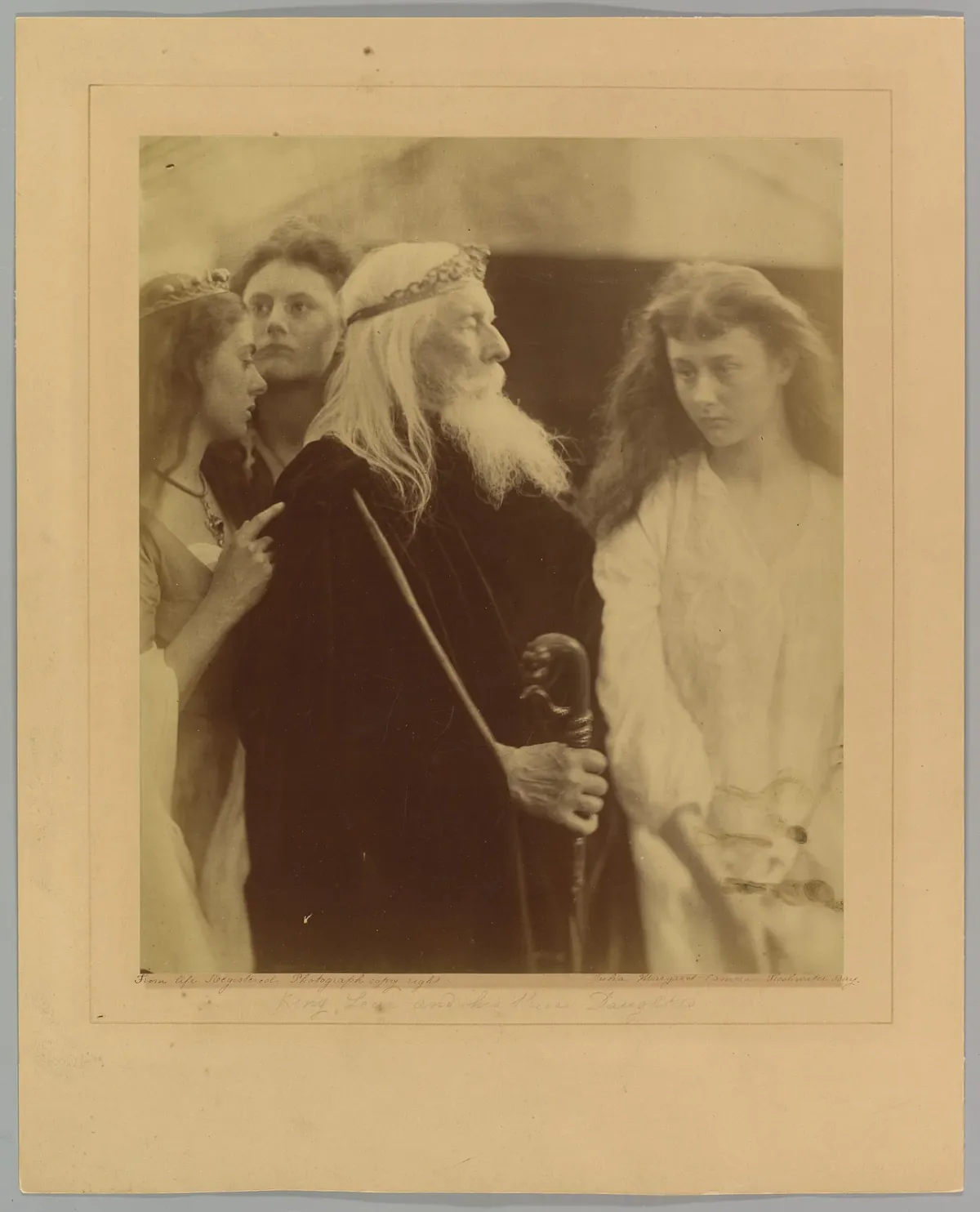
The aging King Lear wishes to divide his realm among his three daughters, graded according to their declarations of love. Goneril and Regan outdo each other in hypocrisy; the youngest, Cordelia, honestly stays silent — and is disinherited. Lear lives first with Goneril, then with Regan, both of whom strip him of power step by step until he flees, mad, onto the heath. In parallel, the bastard Edmund betrays his father Gloucester and his half-brother Edgar. In a battle between the sisters and Cordelia, returning from France, the dynasty falls. Lear is reunited with Cordelia, but she is murdered. Lear dies over her body.
Cultural significance
Reimann's Lear ranks among the most expressive testimonies of New Music and uses a vast orchestra with divided strings and electronic sounds to translate the characters' inner states into sound. The opera has been performed at leading houses worldwide, from the Met to the Vienna State Opera. The title role, composed for Fischer-Dieskau's voice, is one of the most demanding baritone parts in the history of music. Lear stands as proof that opera, even in the late 20th century, can adequately negotiate existential drama.