About the work
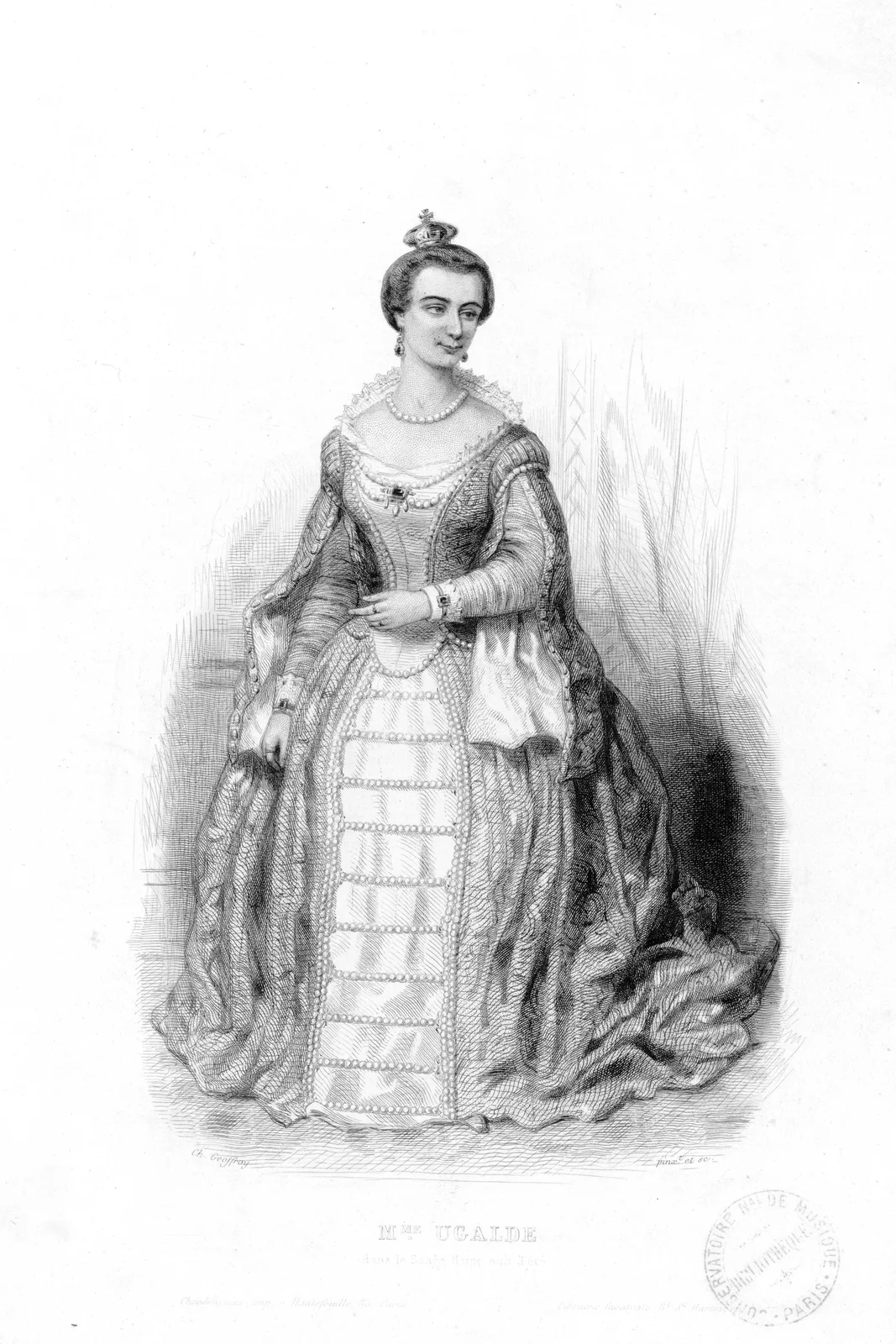
Ambroise Thomas' opéra comique in three acts, to a libretto by Joseph-Bernard Rosier and Adolphe de Leuven, shares its French title with Shakespeare's comedy but tells an entirely different story in which Shakespeare himself appears as a character. It premiered on 20 April 1850 at the Paris Opéra-Comique, well before Thomas' later worldwide successes "Mignon" and "Hamlet".
Plot
The pleasure-loving poet William Shakespeare meets Queen Elizabeth I, travelling incognito, in Richmond Park without suspecting her true identity; Falstaff, here cast as the Queen's steward, becomes entangled in the confusion as well. In the end Shakespeare realises whom he has met and, through the mysterious encounter, is set on a path toward discipline and glory.
Cultural significance
The opera ran to 117 performances at the Opéra-Comique by 1856 and was soon taken up in Brussels, in German adaptations, and in Italian and Spanish versions – marking the first time Shakespeare himself appeared as an operatic hero in France. Today it survives mainly as a rare revival, staged occasionally at events such as the Wexford Festival.