About the work
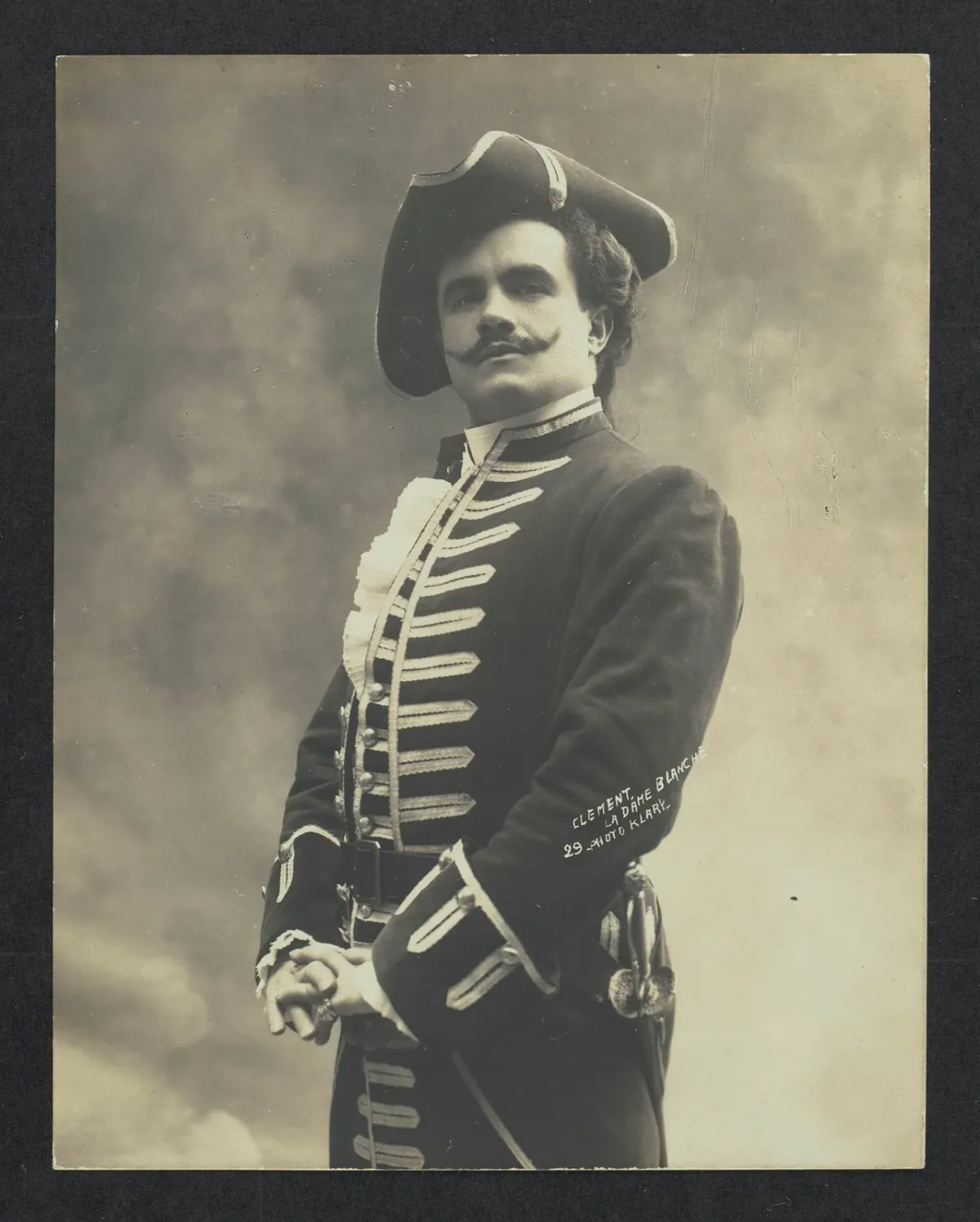
La Dame blanche is an opéra comique in three acts by François-Adrien Boieldieu, with a libretto by Eugène Scribe that merges elements of two Walter Scott novels, Guy Mannering and The Monastery, into a new plot. Boieldieu wrote the score in 1825 for the Paris Opéra-Comique, where it premiered on 10 December that year.
Plot
Officer George Brown returns, unaware, to the Scottish estate of his ancestors, a castle said to be haunted and due to be sold. Anna, an orphan raised within its walls, disguises herself as the mysterious white lady to steer the sale and thwart the dishonest steward Gaveston. George eventually turns out to be the estate's long-lost heir and marries Anna.
Cultural significance
The premiere made La Dame blanche one of the Opéra-Comique's greatest successes of the nineteenth century, with more than 1,600 performances at the house alone. Carl Maria von Weber ranked it among the finest opéras comiques since Mozart's Figaro, and the score is regarded as a bridge between the light eighteenth-century tradition and the emerging Romantic style.