About the work
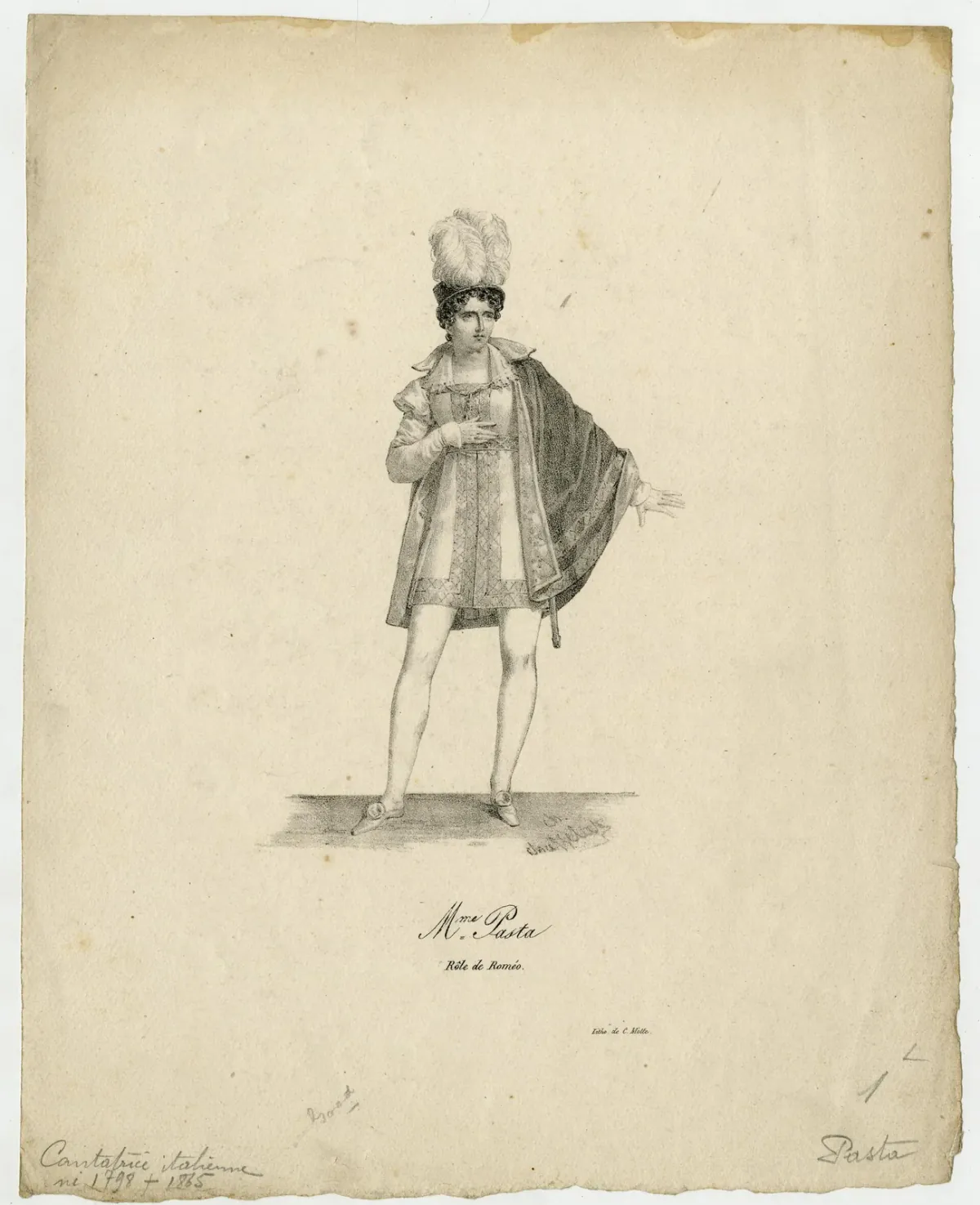
Giulietta e Romeo is a three-act dramma per musica by Niccolò Antonio Zingarelli. The libretto by Giuseppe Maria Foppa draws on Luigi da Porto's 1530 novella, Jean-François Ducis's 1772 play 'Roméo et Juliette' and ultimately on Shakespeare's 'Romeo and Juliet'. Zingarelli reportedly composed the work in only eight days; it premiered on 30 January 1796 at the Teatro alla Scala in Milan, with the castrato Girolamo Crescentini as Romeo and Giuseppina Grassini as Giulietta.
Plot
As in Shakespeare, the feuding Cappellio and Montecchio families confront each other in Verona. The love between Giulietta and Romeo founders on this enmity, and the opera follows the two lovers on their tragic path to a shared death.
Cultural significance
The role of Romeo, originally written for a castrato, became a favourite vehicle for the singer Maria Malibran until around 1830, and the work remained part of the Italian opera repertoire well into the nineteenth century — in the view of some musicologists, Zingarelli's finest work. Largely forgotten today, it drew renewed attention through a 2022 recording by the Château de Versailles with Franco Fagioli and Adèle Charvet.