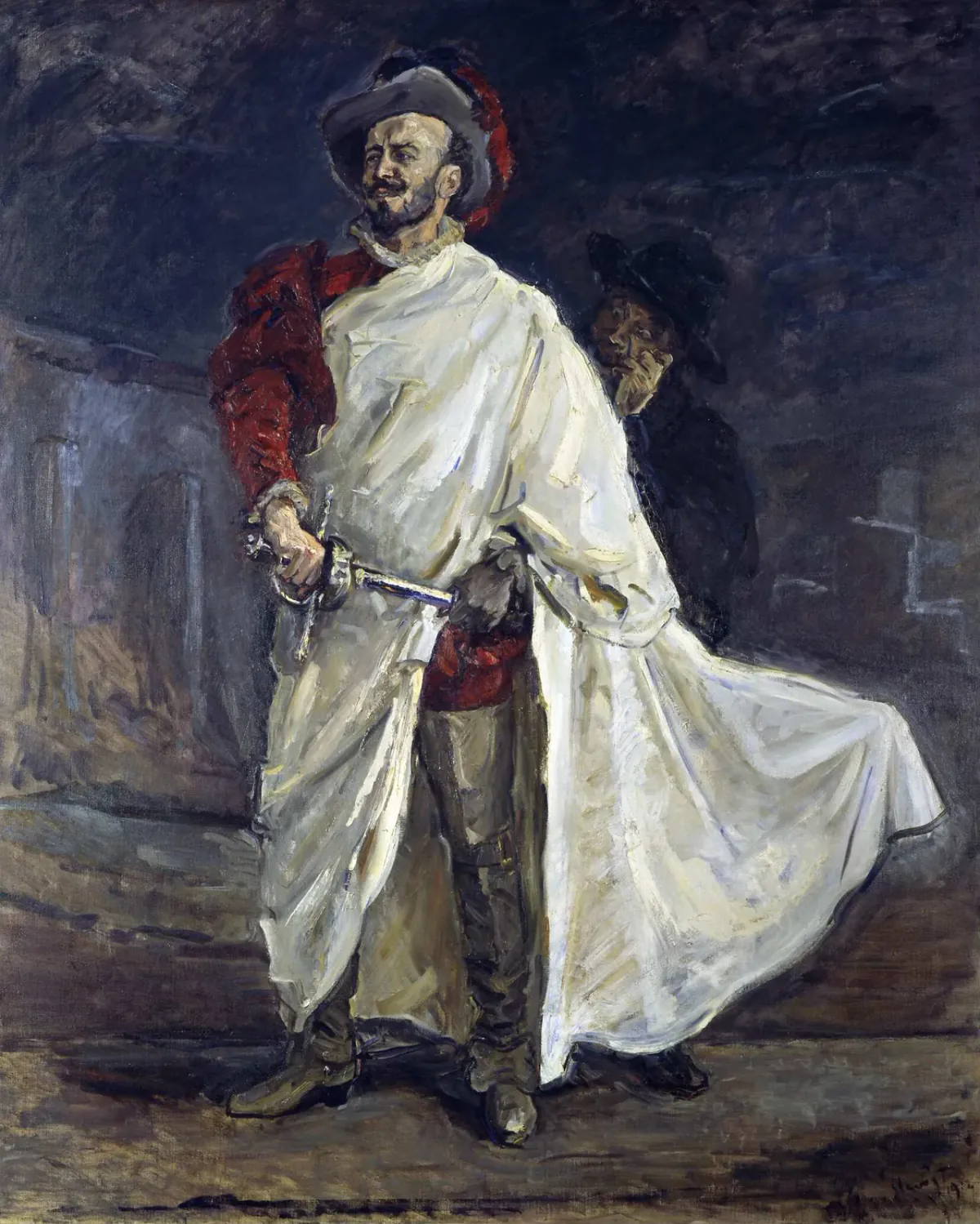
About the work
Mozart's dramma giocoso in two acts was premiered on 29 October 1787 at the Estates Theatre in Prague, with a libretto by Lorenzo Da Ponte. Following the triumph of Le nozze di Figaro in the same city, the opera combines comedy and tragedy in a way rarely attempted on the operatic stage and has been read by generations of philosophers, writers, and directors as a defining myth of Western culture.
Plot
The libertine Don Giovanni kills the Commendatore in a duel after assaulting his daughter Donna Anna. Accompanied by his servant Leporello—who keeps a catalogue of his master's conquests—Giovanni continues his relentless pursuit of women: the abandoned Donna Elvira, the peasant girl Zerlina on her wedding day to Masetto. Pursued by his victims, Giovanni mockingly invites a funerary statue of the dead Commendatore to dinner. The statue comes to life and arrives at a nightmarish banquet, demanding that Giovanni repent. He refuses to the last and is dragged down to hell. The surviving characters emerge to draw a sober moral about the fate of those who transgress.
Cultural significance
Don Giovanni has fascinated philosophers from Kierkegaard to Joseph Kerman and inspired writers from E. T. A. Hoffmann to Bernard Shaw and Peter Shaffer. The title figure blends villain and anti-hero in ways read variously as Promethean rebellion, psychological study, and tragic farce. The seduction duet Là ci darem la mano, Leporello's Catalogue Aria, and the Champagne Aria are cornerstones of the repertoire. The opera's structural ambiguity—is it comedy or tragedy?—continues to generate productions that emphasise one mode or the other, and the supper-scene confrontation with the Stone Guest is among the most electrifying in all opera.