About the work
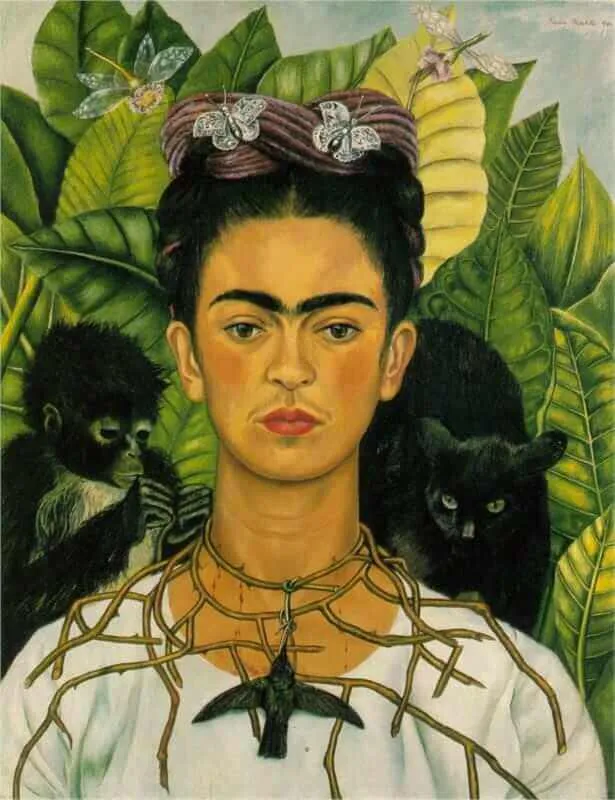
"Viva la Vida – Frida Kahlo" is a full-length dance-theatre work dedicated to the life and art of the Mexican painter Frida Kahlo (1907–1954). The choreography by Enrique Gasa Valga translates Kahlo's irrepressible will to live, her passion and her physical and emotional pain into movement. The title comes from Kahlo's final painting, "Viva la Vida" (1954), which she completed just days before her death. The evening is accompanied by stirring, Latin-American-inflected music featuring boleros, tangos and Mexican songs.
Plot
The dance-theatre piece traces key stations of Kahlo's turbulent life: the serious traffic accident in her youth that scarred her body forever and led to countless operations; her passionate, conflict-ridden relationship with the muralist Diego Rivera; her political convictions and her art, in which she worked through pain, identity and Mexican culture. Rather than a linear narrative, the evening links danced images, biographical episodes and the artist's emotional world into a portrait of a woman who transformed her suffering into creative power.
Cultural significance
Frida Kahlo has become a global icon – as an artist, a feminist role model and a symbol of resilience in the face of pain. Numerous choreographers and stages have devoted works to her life; Enrique Gasa Valga's production was honoured, among other awards, with the Austrian Music Theatre Prize (Golden Schikaneder) for best ballet production of the 2011/12 season. The evening exemplifies the genre of biographical dance theatre, which does not merely illustrate the lives of significant figures but makes them emotionally and physically tangible.