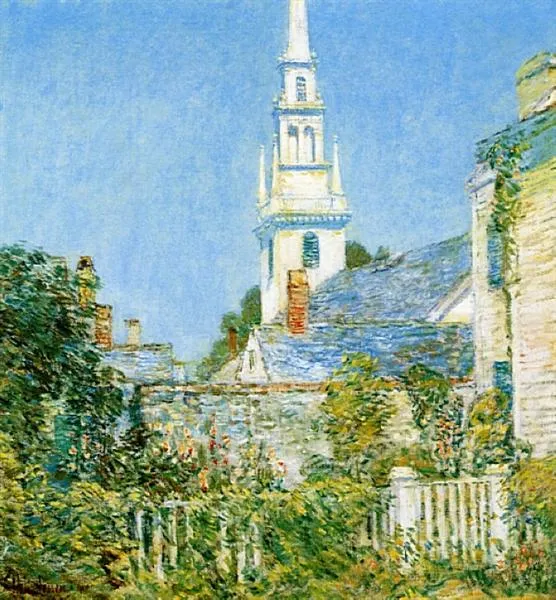
About the work
Our Town is a play in three acts by Thornton Wilder, premiered in 1938. It won the Pulitzer Prize and is one of the most frequently performed American plays of all—famous for its dispensing with scenery and its simple, deeply moving celebration of everyday life.
Plot
A "Stage Manager" guides the audience through life in the fictional small town of Grover's Corners at the start of the twentieth century. At its centre are the neighbouring Gibbs and Webb families and the tender love story between George and Emily. The first act shows an ordinary day, the second love and marriage, the third death: the deceased Emily is allowed to relive a single day of her life and realises with anguish how heedlessly people overlook the precious, fleeting moments of existence.
Cultural significance
Our Town revolutionised American theatre through its radical simplicity: a bare stage, mimed actions, and the Stage Manager addressing the audience directly. Behind the nostalgic surface lies a universal, philosophical meditation on transience, community, and the value of ordinary life. The play is a fixture of school and professional stages alike and is regarded as a timeless work about human existence.