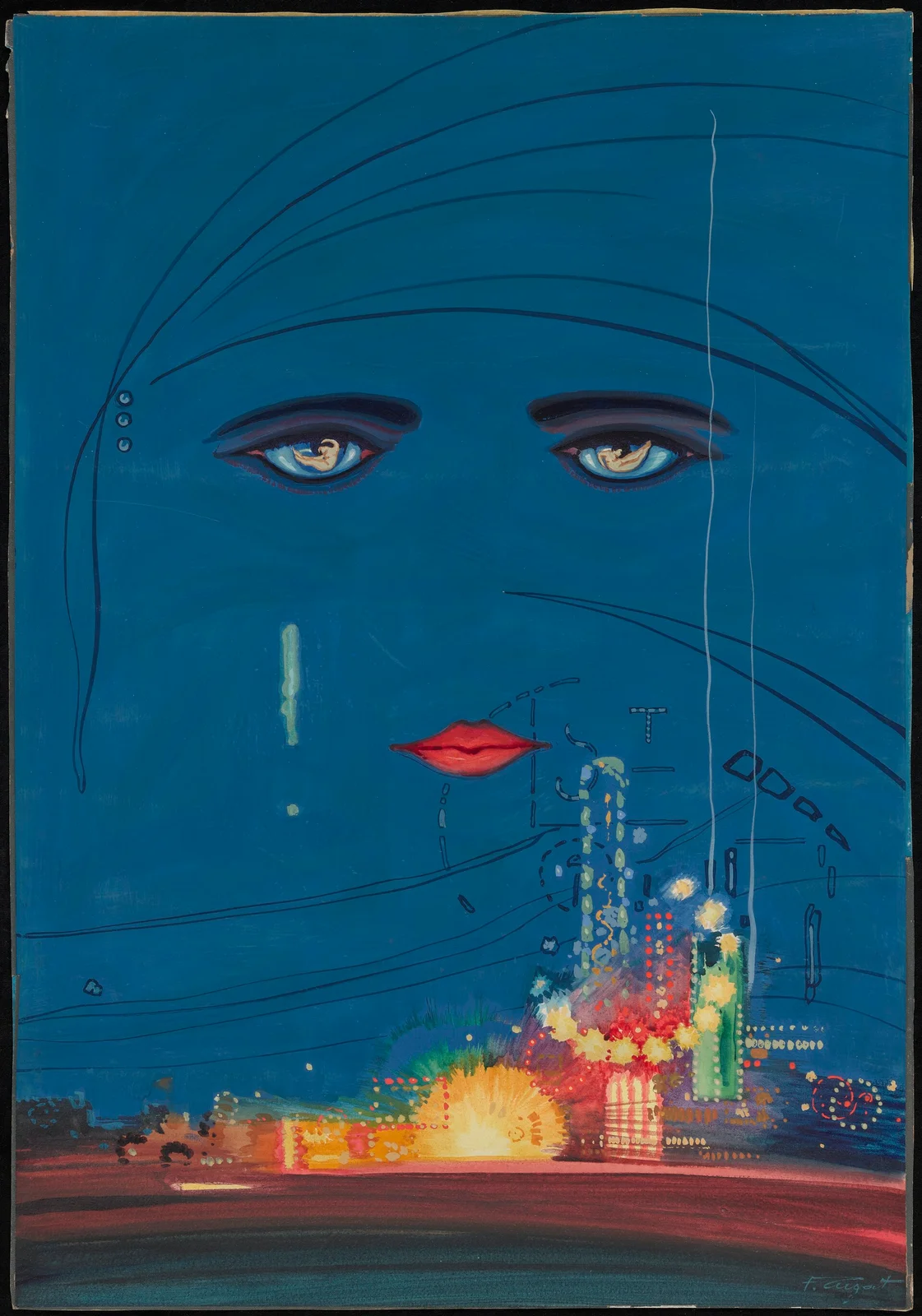
About the work
Der große Gatsby is the stage adaptation of F. Scott Fitzgerald's 1925 novel "The Great Gatsby," one of the most famous works of American literature. In it Fitzgerald paints a glittering yet unsparing portrait of the Roaring Twenties — the era of jazz, Prohibition and new money that he himself christened the "Jazz Age." It tells the story of the mysterious millionaire Jay Gatsby, who throws lavish parties on Long Island that conceal a single unfulfilled longing. Many theatres have adapted the material for the stage; at its centre always stand Fitzgerald's language and the tragic hollowness of the American Dream. The source novel is now regarded as a key text of modernism and has been filmed several times.
Plot
The young Nick Carraway moves to Long Island and becomes the neighbour of the enigmatic Jay Gatsby, whose opulent mansion hosts endless parties. Gradually Gatsby's secret emerges: his entire rise serves one aim — to win back Daisy Buchanan, his youthful love, now married to the wealthy, brutal Tom. When Gatsby and Daisy meet again, the carefully built façade threatens to collapse. A chain of jealousy, a fatal car accident and mistaken identity leads to catastrophe: Gatsby is shot, and of all the guests at his parties scarcely anyone remains at his funeral.
Cultural significance
Fitzgerald's novel, only modestly successful when it appeared in 1925, is today regarded as the "Great American Novel" par excellence and an unsurpassed anatomy of the American Dream and its self-deceptions. The image of the green light at the end of Daisy's dock became an iconic metaphor for forever-receding longing. On stage and screen the material still exerts its fascination, because it concentrates glamour and decay, the hope of advancement and social coldness in a single tragic figure.