About the work
Martha, or The Market at Richmond is a romantic comic opera in four acts by Friedrich von Flotow, to a libretto by Friedrich Wilhelm Riese. It was first performed on 25 November 1847 at the Kärntnertortheater in Vienna. Set in the England of Queen Anne, the work combines lighthearted comedy of mistaken identity with tender melody. Flotow wove in the Irish folk tune "The Last Rose of Summer" so effectively that it became the opera's melodic heart. For over a century "Martha" belonged to the core repertoire of German opera houses, captivating audiences with its catchy tunes and amiable humour.
Plot
Bored at court, the noble Lady Harriet and her confidante Nancy disguise themselves as the simple maids "Martha" and "Julia" and mingle with the bustle of the Richmond servants' hiring fair. On a whim they hire themselves out to the farmers Lyonel and Plunkett — a handshake that, by the custom of the time, is binding. On the farm Lyonel falls in love with Martha and Plunkett with Julia, but the ladies flee. Lyonel, overcome with heartbreak, is nearly driven mad, until it emerges that he is in truth the lost heir of the Earl of Derby. After many complications the couples are happily united in the end.
Cultural significance
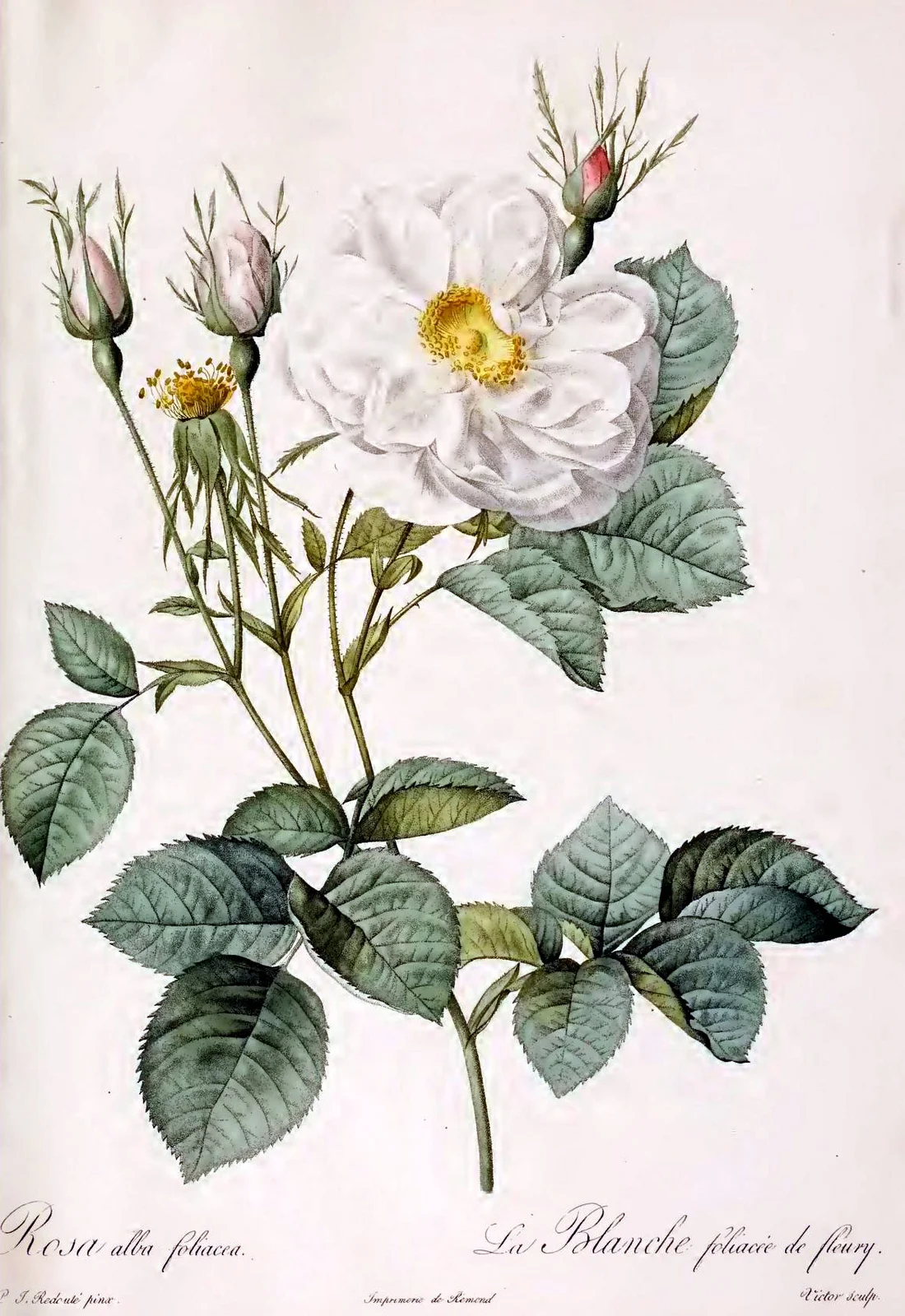
"Martha" was among the most frequently performed German operas of the nineteenth century and made Flotow internationally famous. The tenor aria "Ach, so fromm" — world-famous in its Italian form as "M'appari" — became a showpiece for great tenors from Caruso onward. By weaving in "The Last Rose of Summer", Flotow created one of the best-known melodies in all opera. Though the work grew rarer in the twentieth century, it holds its place as the epitome of the warm-hearted comic opera.