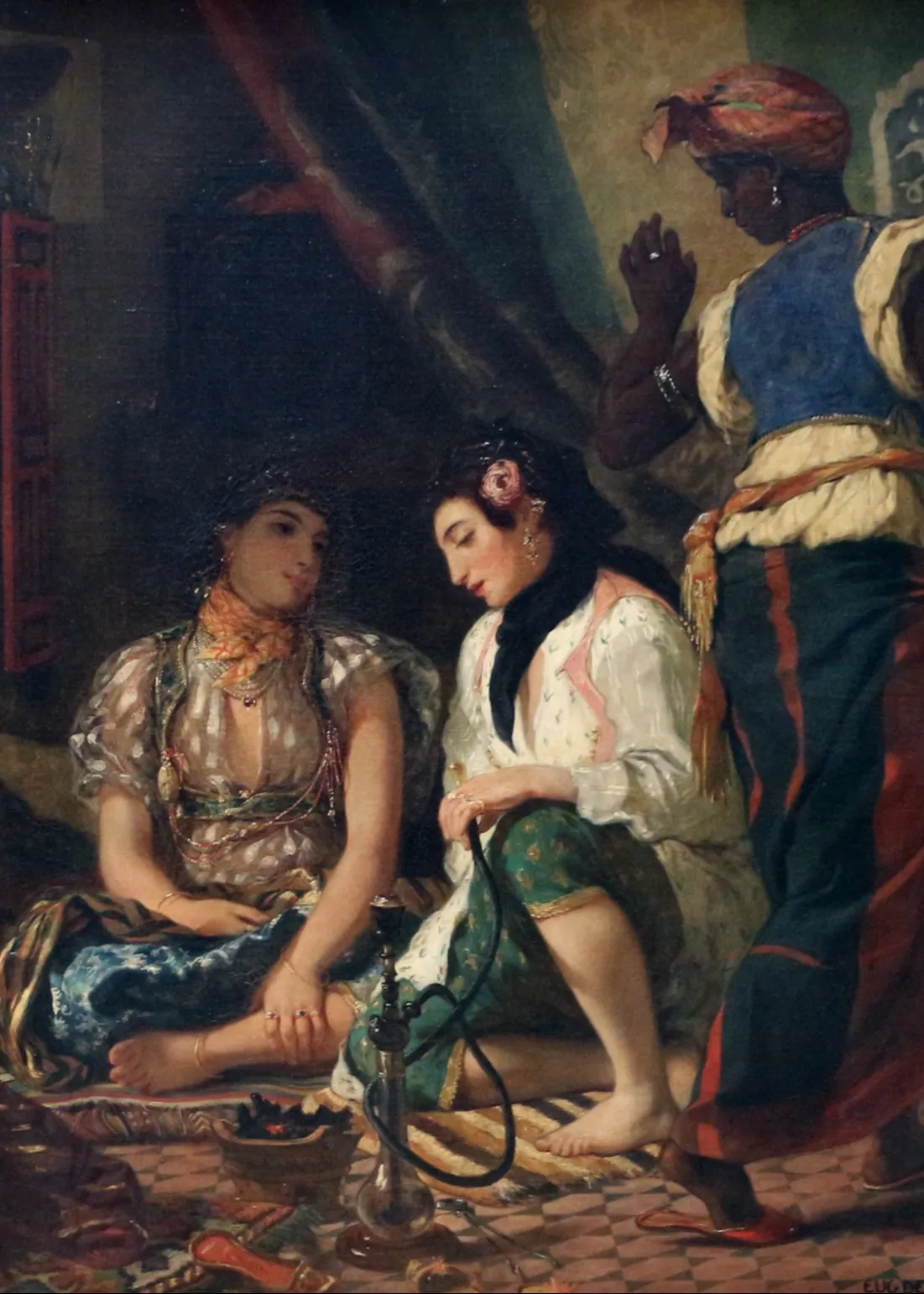
About the work
L'italiana in Algeri (The Italian Girl in Algiers) is a comic opera (dramma giocoso) in two acts by Gioachino Rossini, premiered in Venice in 1813. Rossini composed the work at only 21 years of age in a few weeks; it was one of his first great successes and is among the gems of opera buffa.
Plot
Mustafà, the bored Bey of Algiers, wants to get rid of his wife Elvira and longs for a spirited Italian woman. As if on cue, the resolute Isabella is shipwrecked on his coast—searching for her abducted lover Lindoro, who happens to serve as a slave at Mustafà's court. With feminine cunning, wit, and feigned coquetry, Isabella wraps the vain Bey around her finger, fools him with the invented ceremony of the "Pappataci," and secures the escape of herself and all the Italian captives.
Cultural significance
L'italiana in Algeri charms through Rossini's effervescent wit, his famous "crescendo," and a furious finale full of comic onomatopoeia. The work combines light-footed comedy with a surprisingly self-assured image of women: Isabella triumphs over male vanity through intelligence. It is part of the standard operatic repertoire and is regarded as one of the most perfect comic operas of the early nineteenth century.