About the work
Johann Wolfgang von Goethe's four-act Singspiel was premiered in 1777 for the birthday of Duchess Luise of Saxe-Weimar at the Weimar Court Theatre. The work is remarkable as one of the earliest German plays to deal explicitly with psychological illness and therapeutic role-play. The music is by Carl Friedrich Siegmund von Seckendorff.
Plot
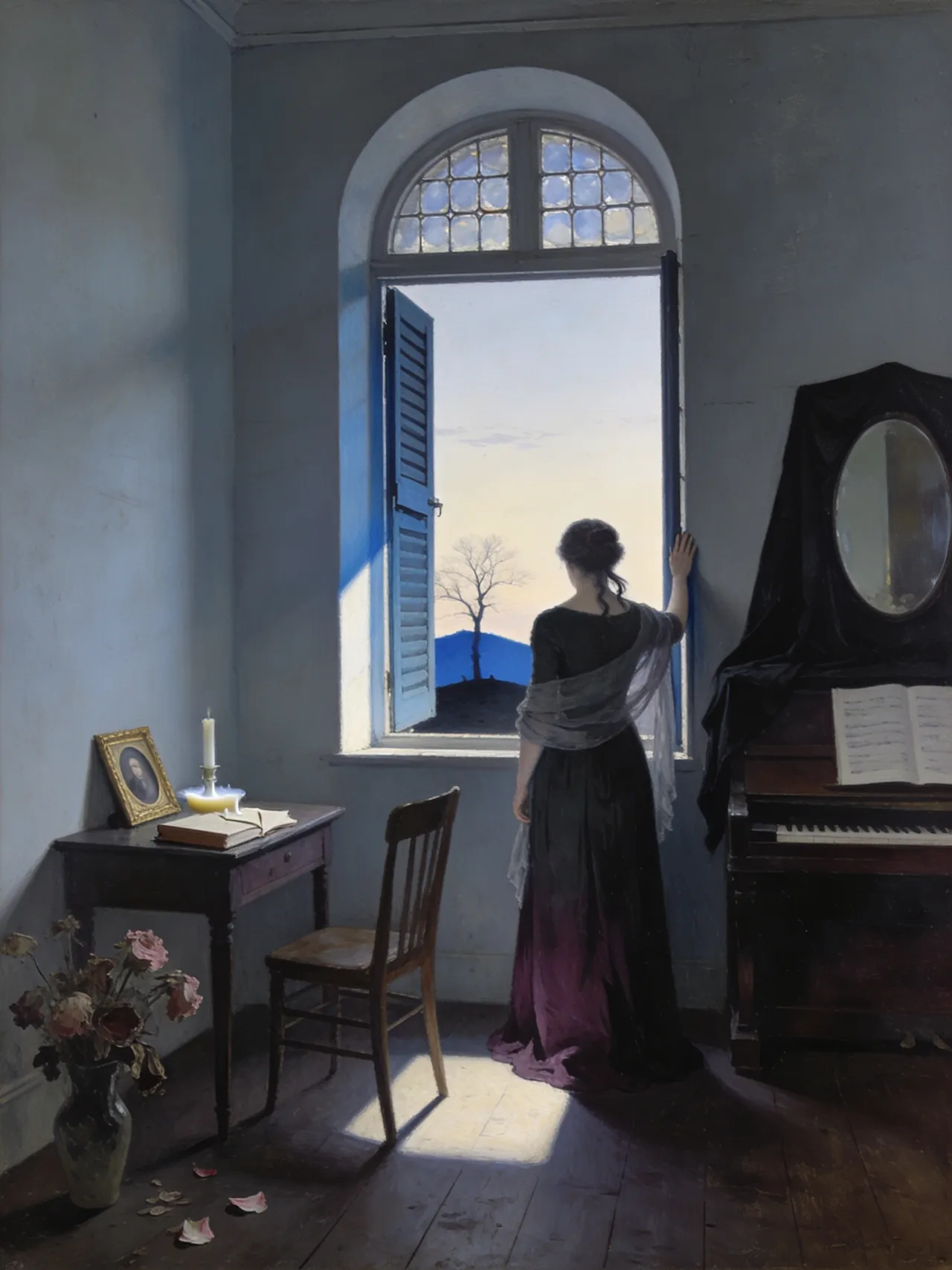
The young Lila believes her husband Sternthal is dead and withdraws into a delusional world in which she encounters demons and fairies. Doctor Verazio prescribes an unusual therapy: her family and friends disguise themselves as the imaginary beings and lead Lila through her own delusion-world until she recognises Sternthal — actually alive — in the midst of this staged fantasy. Theatre becomes healing.
Cultural significance
Lila is Goethe's most unexpected and modern festival-play invention — the concept of psychodrama therapy through staged illusion anticipates techniques that Jacob Moreno would only clinically establish 150 years later. The work was highly valued by Goethe himself and revised multiple times. Revival performances in recent decades at festivals and opera houses have brought new light to the psychotherapeutic avant-garde quality of the play.