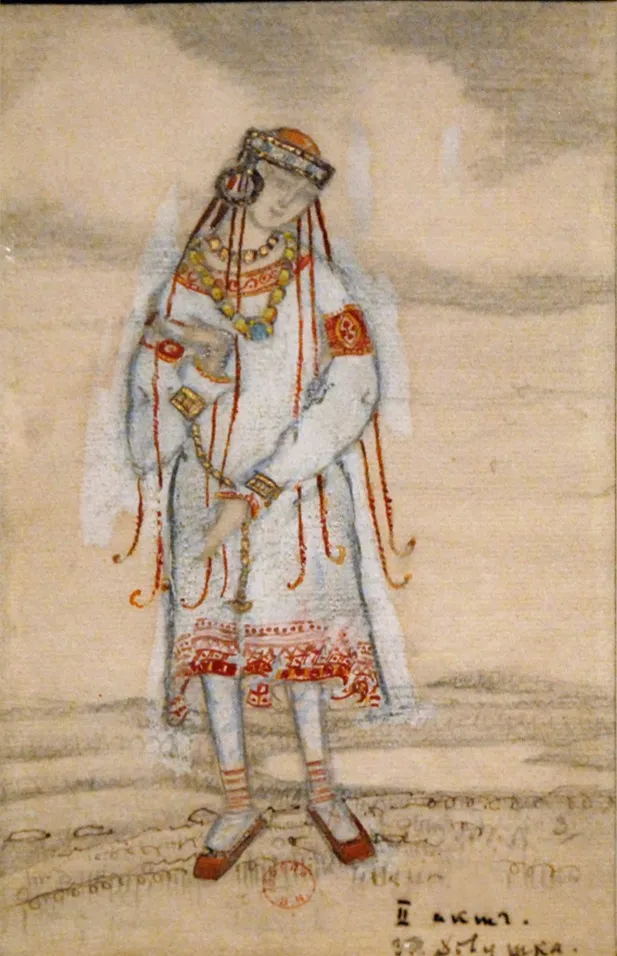
About the work
Igor Stravinsky's ballet Le Sacre du printemps (The Rite of Spring) was premiered on 29 May 1913 at the Théâtre des Champs-Élysées in Paris by Sergei Diaghilev's Ballets Russes, with choreography by Vaslav Nijinsky. The premiere provoked one of the most notorious riots in concert history, with audience members reportedly fighting in the aisles. The work is widely considered the foundational piece of twentieth-century music.
Plot
The ballet depicts a pagan Russian spring ritual, structured in two parts: The Adoration of the Earth and The Sacrifice. Tribes gather, elders preside over ancient rites, and young women perform mystic dances. In the second part, the tribe chooses a young girl as their sacrifice. She must dance herself to death to propitiate the gods of spring. The final scene, the Sacrificial Dance, builds through relentless, unpredictable rhythms to the girl's collapse and death.
Cultural significance
Le Sacre du printemps transformed music in a single evening. Stravinsky's polyrhythmic complexity, dissonant harmonies, and primordial orchestration opened vast new territories for Western composition. Nijinsky's angular, anti-classical choreography broke fundamentally with ballet tradition. After the scandalous premiere, the score quickly entered the concert repertoire and has since been recorded by virtually every major conductor. Modern choreographic versions—most famously Pina Bausch's 1975 reinterpretation with its soil-covered stage—have given the ballet a second life as a touchstone of contemporary dance.