About the work
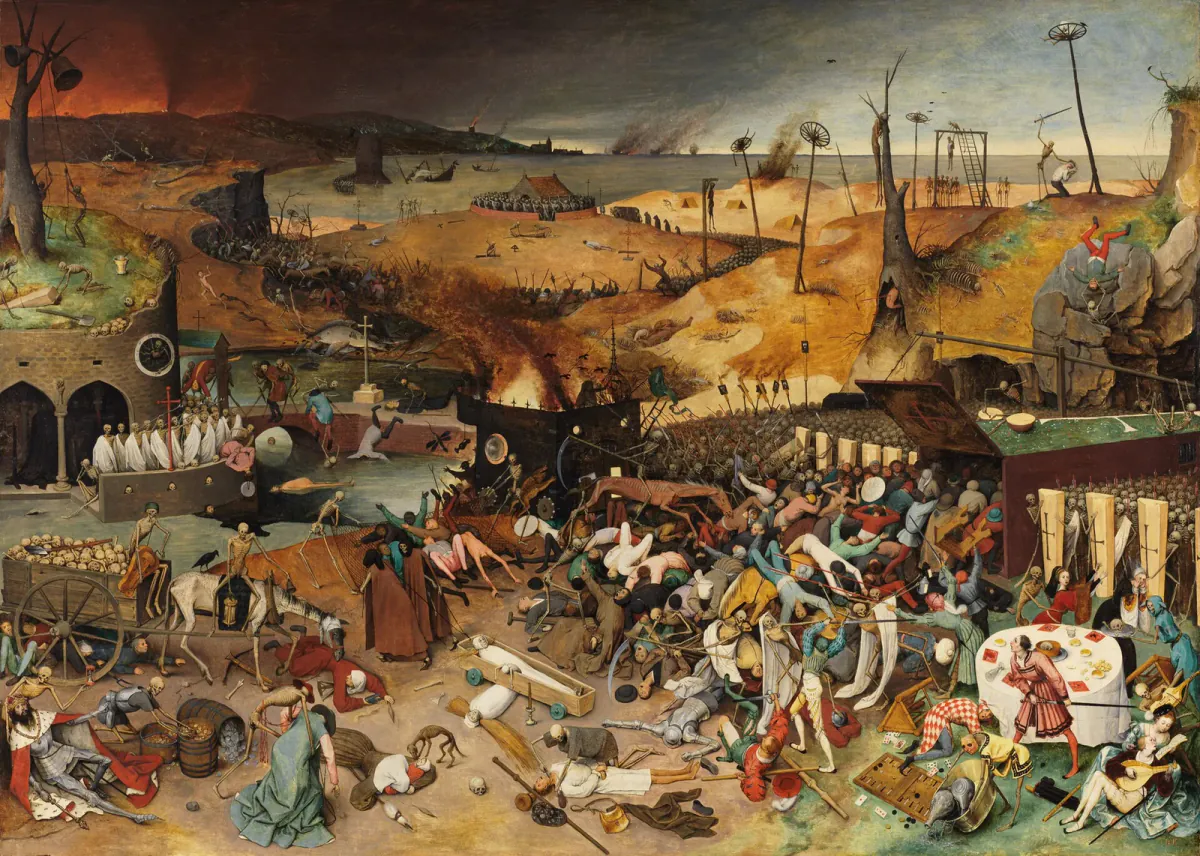
Le Grand Macabre is the only completed opera by György Ligeti and ranks among the most important music-theatre works of the late twentieth century. Ligeti composed it between 1974 and 1977, and it was first performed on 12 April 1978 at the Royal Swedish Opera in Stockholm. The libretto, written by the composer with the Swedish director Michael Meschke, is based on the 1934 play "La balade du grand macabre" by the Belgian dramatist Michel de Ghelderode. In 1996 Ligeti produced a tighter, thoroughly revised version that is the one usually staged today. The action unfolds in the grotesque fantasy realm of Breughelland, whose name evokes the teeming carnival and hellscape imagery of Pieter Bruegel. Ligeti's score is a deliberately eclectic spectacle: it collages echoes of Monteverdi, Rossini and Offenbach, parodies operatic convention, and opens with a famous overture scored for tuned car horns. Hovering between mystery play, satire and black comedy, the work resists any single generic label.
Plot
Breughelland is peopled by the astrologer Astradamors and his domineering wife Mescalina, the lovers Amando and Amanda, the drunkard Piet the Pot and the childish Prince Go-Go. From a tomb rises Nekrotzar, the Grand Macabre, who proclaims the imminent end of the world: a comet will wipe out all life that very night. Riding on Piet as mount and helper, Nekrotzar sets out to complete his apocalyptic mission, but lets himself be made drunk at the prince's banquet. When the prophesied hour strikes, almost nothing happens: the world does not end, or it has already ended without anyone noticing. Nekrotzar shrivels away, and the survivors draw the moral that one should not fear death but enjoy life while it lasts.
Cultural significance
Le Grand Macabre marks Ligeti's turn away from the static sound-mass writing of his celebrated orchestral works toward a garish, theatrical style steeped in quotation and excess. The fiendishly virtuosic role of the secret-police chief Gepopo, with its breakneck coloratura, is among the most feared soprano parts in the modern repertoire. Widely staged around the world after its premiere, it remained Ligeti's sole contribution to the operatic genre — a key work that answers the question of apocalypse, meaning and meaninglessness with grotesque good humour.