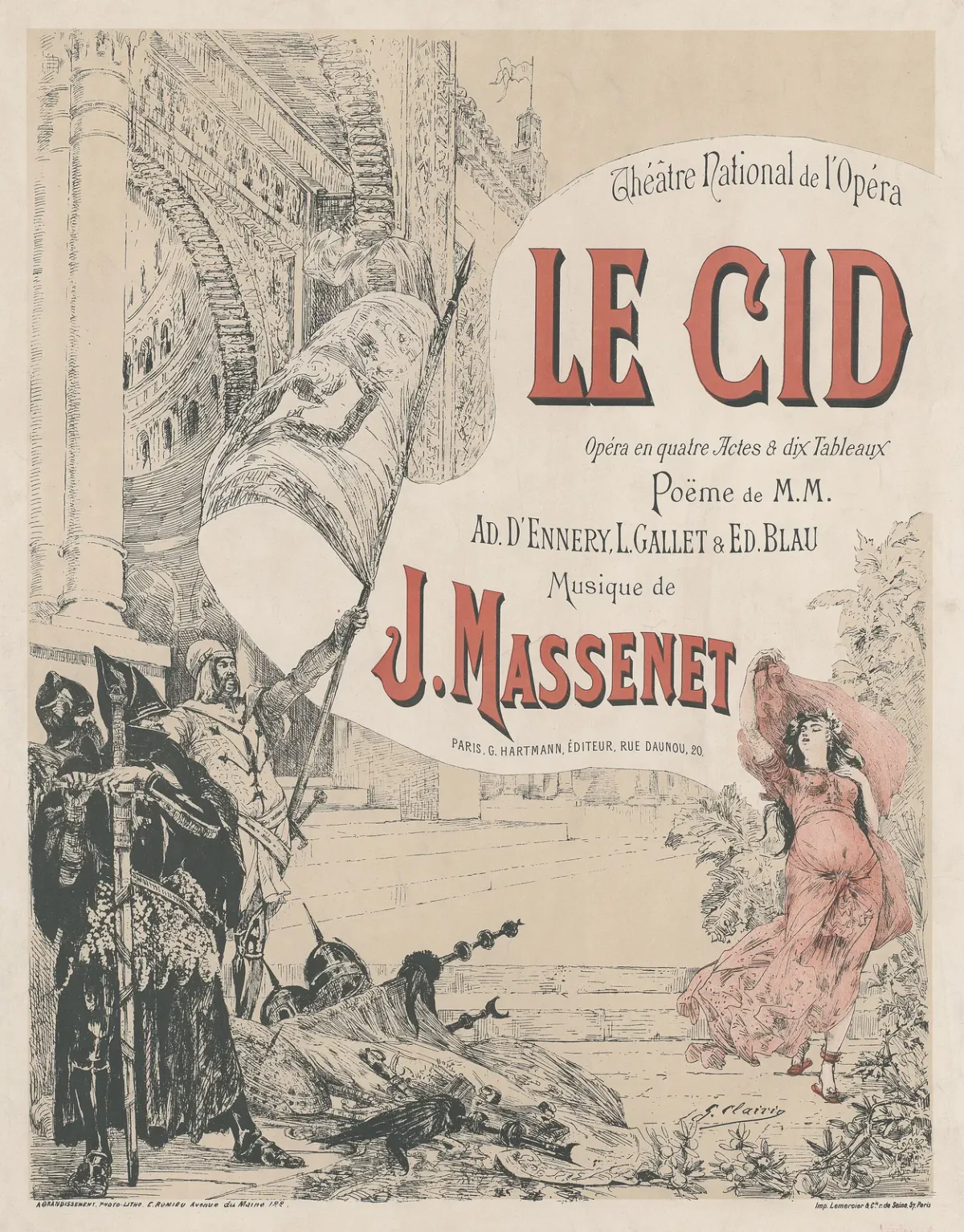
About the work
Pierre Corneille's tragicomedy „Le Cid" was first performed in Paris early in 1637 and provoked one of the most famous literary disputes in French history, the „Querelle du Cid". The verse drama about the conflict between love and honour, drawn from the story of the Spanish national hero Rodrigo Díaz de Vivar, is regarded as a key work on the path to French classicism.
Plot
In eleventh-century Castile, Rodrigue and Chimène are in love and on the verge of betrothal. Then Chimène's father, Count Gormas, quarrels with Rodrigue's aged father Don Diègue and strikes him. The old Diègue, too weak for revenge, charges his son to restore the family honour. Rodrigue faces an impossible choice: to kill the father of his beloved is to lose Chimène; to leave the insult unavenged is to lose his honour. He challenges Gormas to a duel and kills him. Now Chimène, torn between love and filial duty, demands Rodrigue's death from the king — though she still loves him. During the conflict the Moors invade the city; Rodrigue repels them in battle and earns the title of honour „Cid". The king steers events, holding out the prospect of a delay at whose end the union of the lovers may yet be possible.
Cultural significance
„Le Cid" was an unprecedented theatrical success and at the same time a scandal: the newly founded Académie française censured the play for supposed violations of the three unities and of plausibility. The debate decisively shaped the rule-bound poetics of French classicism. With the inner division of his heroes between passion and duty, Corneille created a foundational pattern of classical drama. The play remains part of the core repertoire of the Comédie-Française and of French school reading.