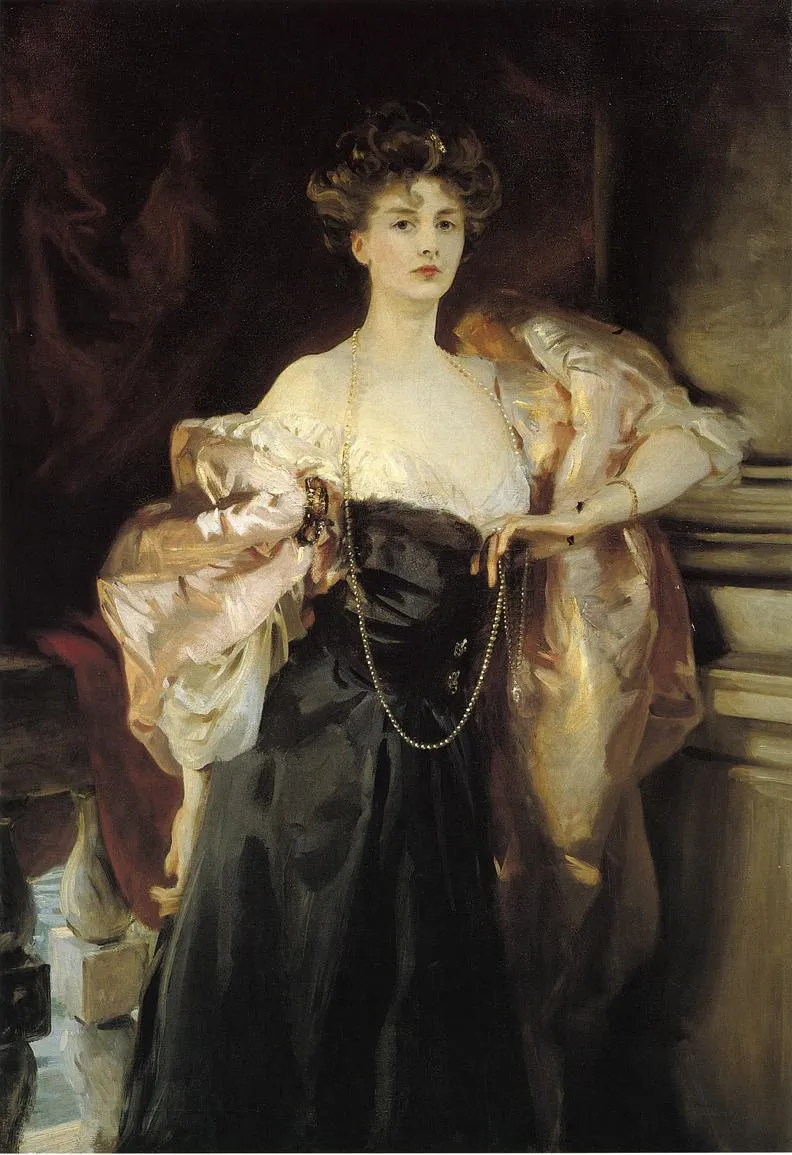
About the work
Lady Windermere's Fan is a society comedy in four acts by Oscar Wilde, premiered in London in 1892. It was Wilde's first major theatrical success and established his reputation as a master of witty drawing-room comedy with a moral undercurrent.
Plot
The young, virtuous Lady Windermere suspects her husband of an affair with the disreputable Mrs Erlynne, to whom he is secretly giving money. Hurt and offended, she resolves to leave her husband for an admirer. What she does not know: Mrs Erlynne is in truth her mother, believed dead, who wants to save her daughter from the very social misstep she once made herself. In a dramatic turn, Mrs Erlynne sacrifices her own reputation to save Lady Windermere—without ever revealing her identity.
Cultural significance
Lady Windermere's Fan questions rigid Victorian morality and its division of women into "good" and "bad." Wilde shows that moral judgments often rest on ignorance and hypocrisy, lending the supposedly "fallen" woman a secret greatness. Peppered with famous aphorisms such as the definition of a cynic, the play established Wilde's unmistakable style and remains part of the standard repertoire to this day.