About the work
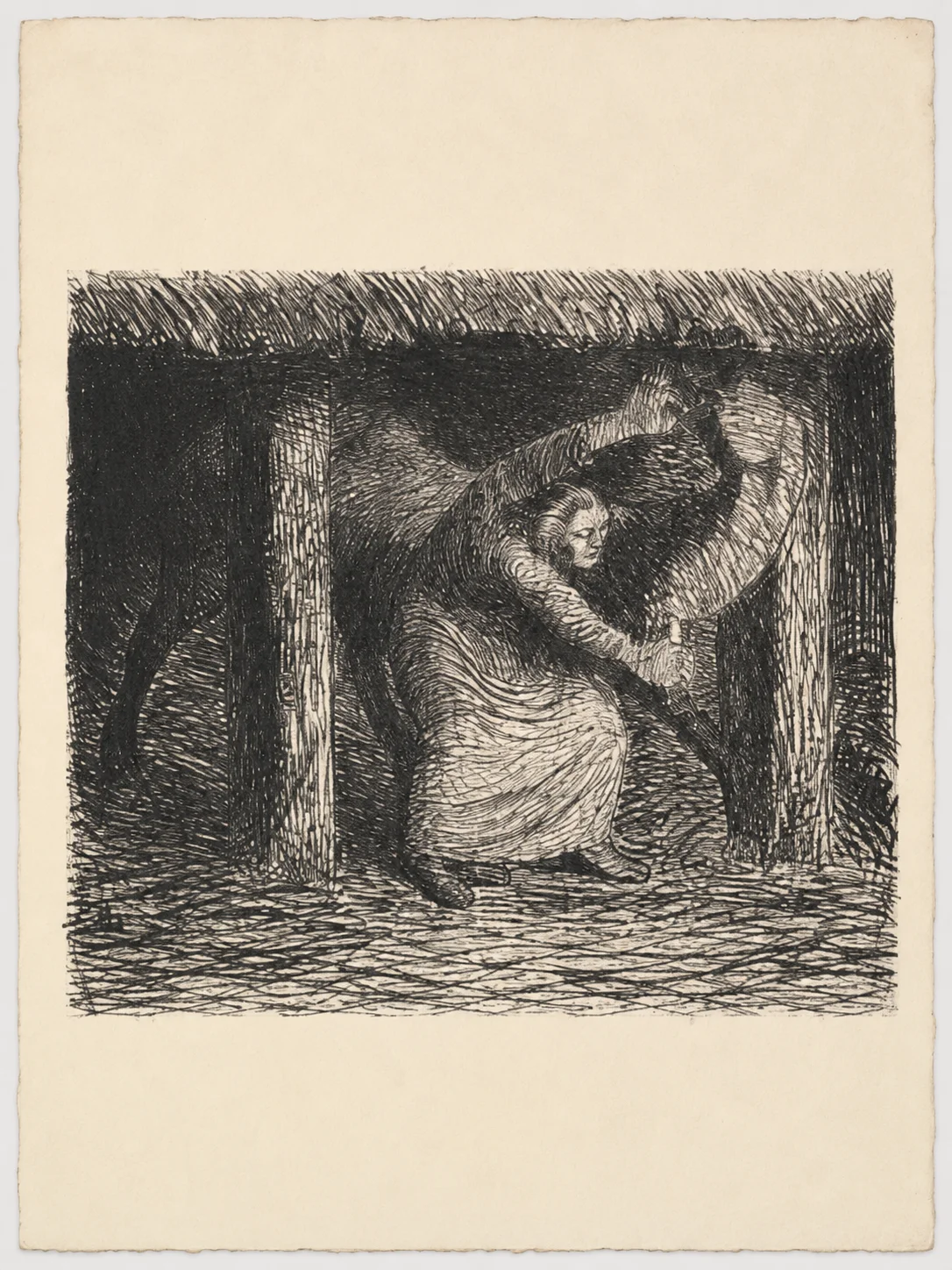
Dmitri Shostakovich's second opera „Lady Macbeth of Mtsensk" was premiered in Leningrad in 1934 and enjoyed two years of triumphal success — until Stalin attended a performance in 1936 and Pravda responded with the infamous article „Muddle Instead of Music". The libretto is based on Nikolai Leskov's novella (1865) and portrays a murderess in nineteenth-century rural Russia.
Plot
Katerina Izmailova is bored as the young wife of the wealthy merchant Zinovy in the provincial town of Mtsensk. While her husband is away, she begins an affair with the new farmhand Sergei. Her father-in-law Boris catches her and threatens exposure — Katerina poisons him with mushrooms. When Zinovy returns and finds Sergei in Katerina's bedroom, the lovers strangle the husband together and wall the body up in the cellar. At Katerina's wedding to Sergei a peasant discovers the corpse; police arrest them both. In Siberia, en route to the labour camp, Sergei takes up with another prisoner, Sonyetka. Katerina drowns Sonyetka and herself in an icy river.
Cultural significance
Lady Macbeth of Mtsensk ranks after „Wozzeck" as the most important opera of the early twentieth century and is Shostakovich's most personal stage work. Its brutal rape and love scenes, its unsparing social critique and its expressionist sonic language made the work a target of Stalinist censorship — Shostakovich composed no further opera for 25 years. A toned-down version „Katerina Izmailova" (1962) is rarely staged today; the most performed text is the original.