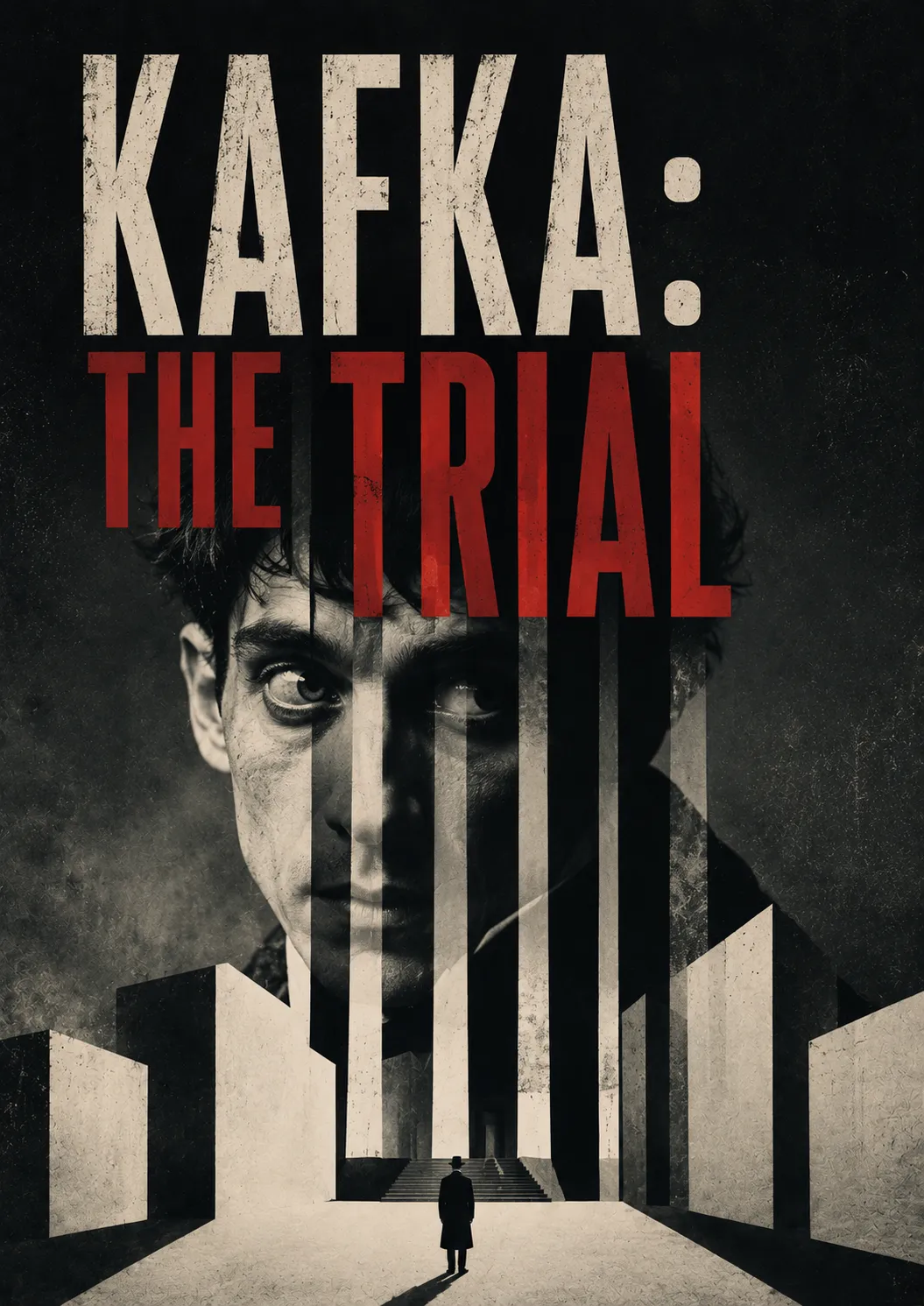
About the work
„Kafka: The Trial" is a narrative ballet by the choreographer Mauro Bigonzetti after Franz Kafka's famous, posthumously published novel „The Trial" (written 1914/15). Bigonzetti translates Kafka's nightmarish vision of guilt, bureaucracy and helplessness into a physically expressive dance language.
Plot
On his thirtieth birthday the bank clerk Josef K. is arrested without being given any reason. He is allowed to go on with his everyday life, but from now on his existence is dominated by an impenetrable judicial apparatus that meets hidden in attics and back rooms. K. searches desperately for the grounds of his accusation, wanders through a labyrinth of corridors, officials, lawyers and shady helpers, meets a painter and a priest — and yet never comes closer to the truth. The more he tries to defend himself, the deeper he becomes entangled. A year after his arrest two men come for him and lead him to a remote place, where they kill him. K. dies without ever having learned of what he was accused — „like a dog".
Cultural significance
Kafka's „The Trial" is among the most influential novels of modernism; the word „Kafkaesque" has become synonymous with impenetrable, threatening bureaucracy. Mauro Bigonzetti's ballet version seeks to translate the inscrutability of the material into movement and takes its place in a long tradition of stage, film and dance adaptations of this key work.