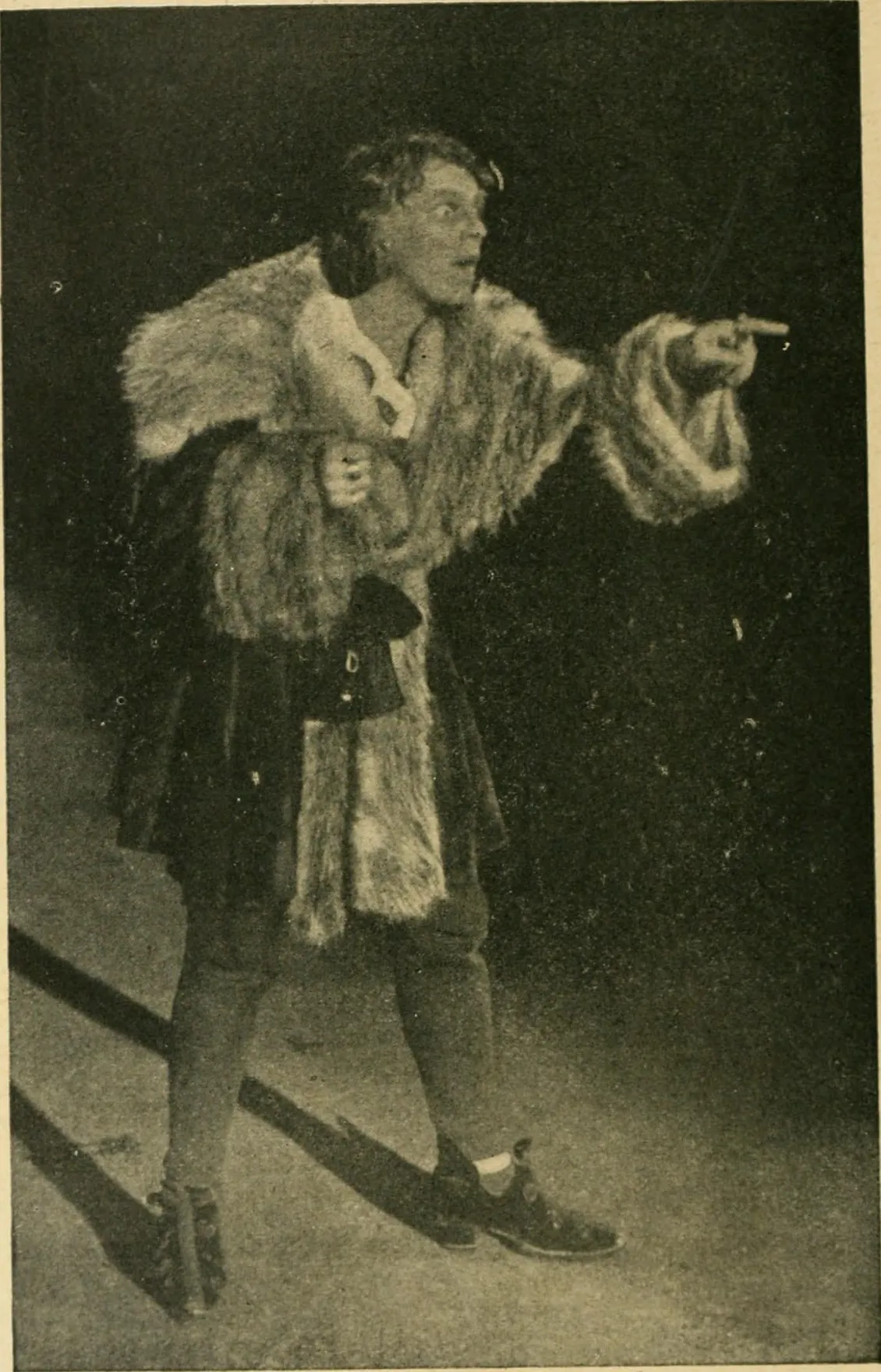
About the work
Hugo von Hofmannsthal's „Jedermann. Das Spiel vom Sterben des reichen Mannes" was first performed in 1911 at the Berlin Zirkus Schumann under Max Reinhardt. Since 1920 the play has been performed every summer at the Salzburg Festival on Domplatz — the founding work of the festival.
Plot
On the marketplace stands the rich man Jedermann (Everyman) at the height of his life. Lord God, dissatisfied with humanity's worldly preoccupation, sends Death to summon Jedermann. Jedermann is just preparing a feast for his beloved when Death announces himself. Jedermann begs for time. Death gives him the time to find a companion who will go with him into death. Jedermann turns to his Friend, his Cousin, his Lover — all refuse, despite great speeches of friendship and love. Money speaks for itself: it cannot accompany him because he must give it away to the poor (whom Jedermann had earlier turned away). His Good Works are crippled and weak — he had not nurtured them. Only Faith, supported by Repentance and Forgiveness, can be his companion. Jedermann dies; his soul is borne up by angels.
Cultural significance
„Jedermann" — based on the medieval English morality play „Everyman" (15th century) — is the most-performed German play in summer-festival programmes and a Salzburg ritual. The annual call „Jedermann!" from the cathedral tower is a cultural event in itself. Famous Jedermanns include Alexander Moissi, Attila Hörbiger, Maximilian Schell, Klaus Maria Brandauer, Tobias Moretti, Lars Eidinger, Philipp Hochmair. The play has lost none of its symbolic force as memento mori in modern affluent society.