About the work
Giacomo Puccini's „Il trittico" — three one-act operas as a single evening — was premiered at the Metropolitan Opera in New York in 1918. The three pieces are designed to complement each other in tone and dramaturgy: „Il tabarro" (verismo tragedy on a Paris barge), „Suor Angelica" (mystical-lyrical convent piece) and „Gianni Schicchi" (Florentine comedy after Dante).
Plot
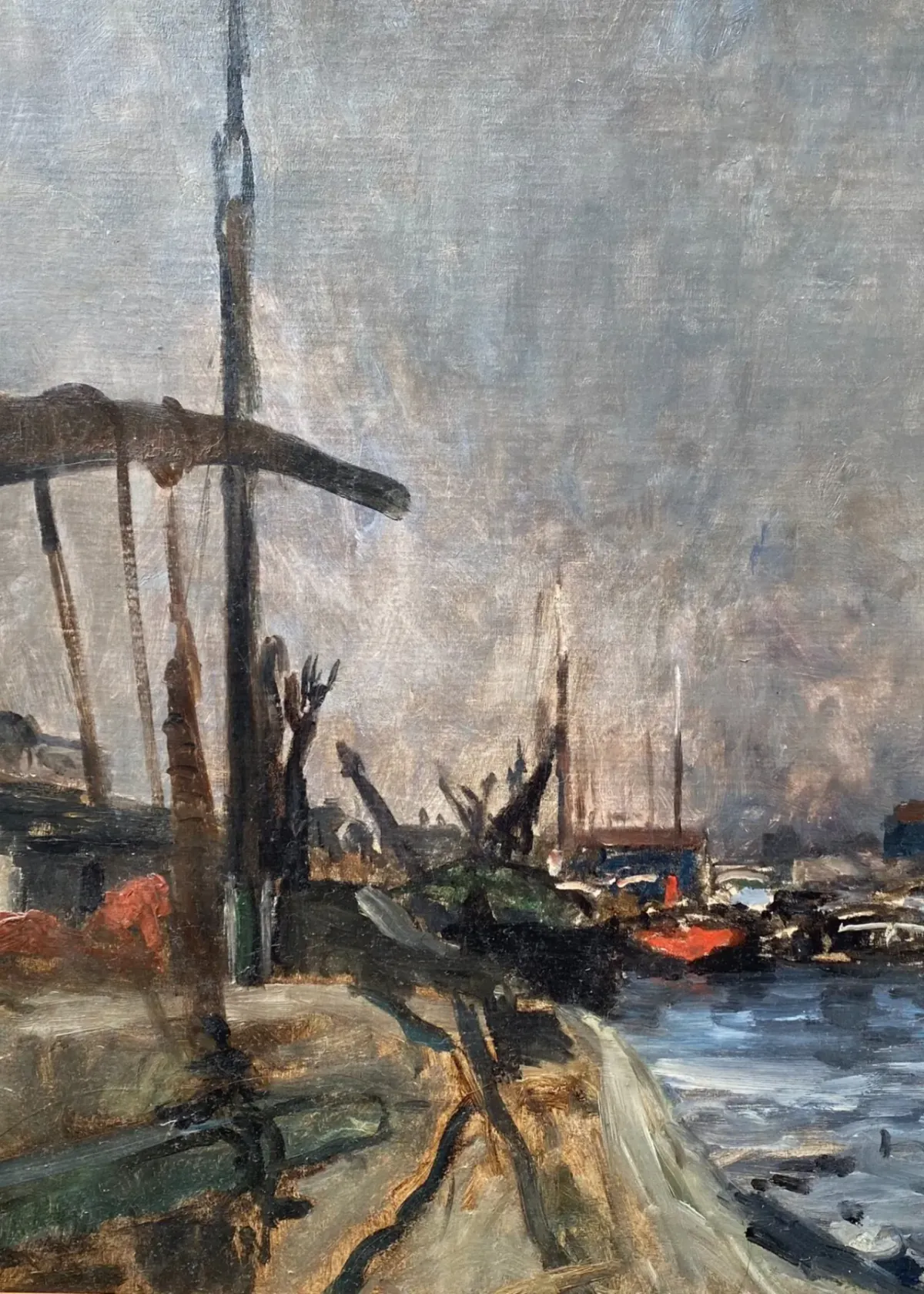
Il tabarro: On a Paris barge on the Seine, Giorgetta's husband Michele has discovered her affair with the dockworker Luigi. When Luigi sneaks aboard, Michele strangles him and hides the corpse under his cloak. Giorgetta finds it. Suor Angelica: In a Tuscan convent lives Angelica, sent there after an illegitimate birth. Her aunt visits and informs her the child died years before. In despair Angelica takes poison; as she dies she begs forgiveness, and in a vision the Madonna appears with the child. Gianni Schicchi: In Florence in 1299, the wealthy Buoso Donati has just died. His family discovers his will — everything goes to a monastery. Schicchi is called in, slips into Buoso's bed, has a notary fetched and dictates a new will — making himself chief heir. The cheated family can do nothing without denouncing themselves for forgery.
Cultural significance
Il trittico is Puccini's only triptych and contains in „Gianni Schicchi" one of his most popular works — Lauretta's „O mio babbino caro" is among the most-sung soprano arias of all. The three pieces are today often given separately (Schicchi especially); a performance of the complete Trittico is a special occasion. Suor Angelica's final scene ranks among Puccini's spiritually deepest moments.