About the work
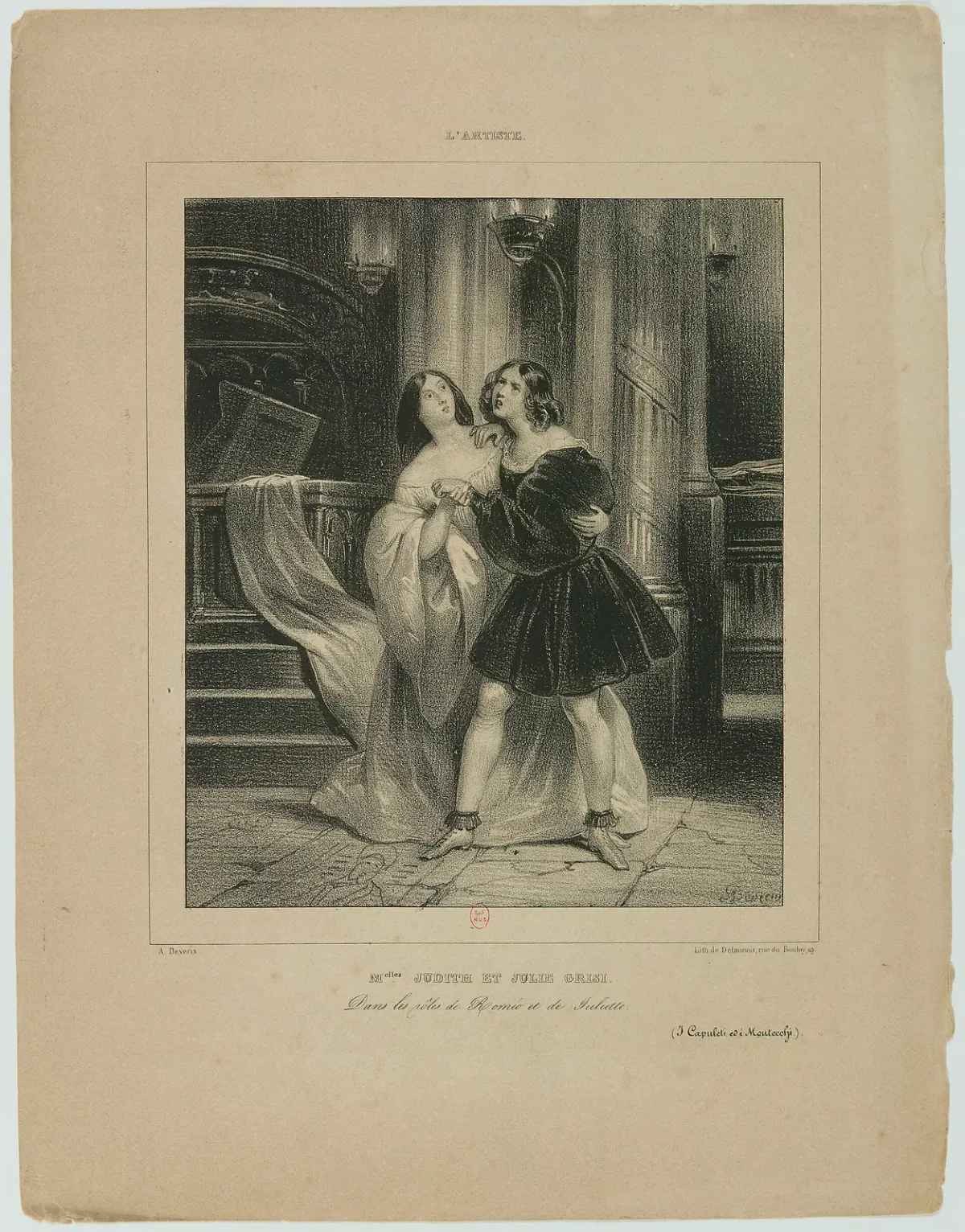
Tragedia lirica in two acts by Vincenzo Bellini to a libretto by Felice Romani, first performed on 11 March 1830 at the Teatro La Fenice in Venice. Romani reworked his earlier libretto for Nicola Vaccai's opera 'Giulietta e Romeo', based on the Italian narrative tradition surrounding the Romeo and Juliet story rather than directly on Shakespeare. Composing under a deadline of only six weeks, Bellini also drew extensively on music from his recently unsuccessful opera 'Zaira'.
Plot
In Verona, the feuding Capuleti and Montecchi families are at war; Giulietta, daughter of the Capuleti leader, is to marry the family's ally Tebaldo but secretly loves Romeo, leader of the rival Montecchi. A reconciliation attempt by Romeo fails, and Giulietta fakes her death with a sleeping draught to escape the forced marriage. Because the news fails to reach Romeo in time, he takes his own life at what he believes is her tomb, and the waking Giulietta follows him in death.
Cultural significance
Unlike Shakespeare, Romani's text draws on the Italian narrative tradition of Bandello and Luigi da Porto; characters such as the Nurse and Mercutio are absent, and the conflict is framed as more political than familial. The role of Romeo, written for a mezzo-soprano en travesti, remains one of the most demanding trouser roles in the bel canto repertoire.