About the work
The Crucible is a play in four acts by Arthur Miller, premiered on Broadway in 1953. Miller used the historical Salem witch trials of 1692 as a barely veiled allegory of the anti-communist witch hunts of the McCarthy era, of which he himself became a victim.
Plot
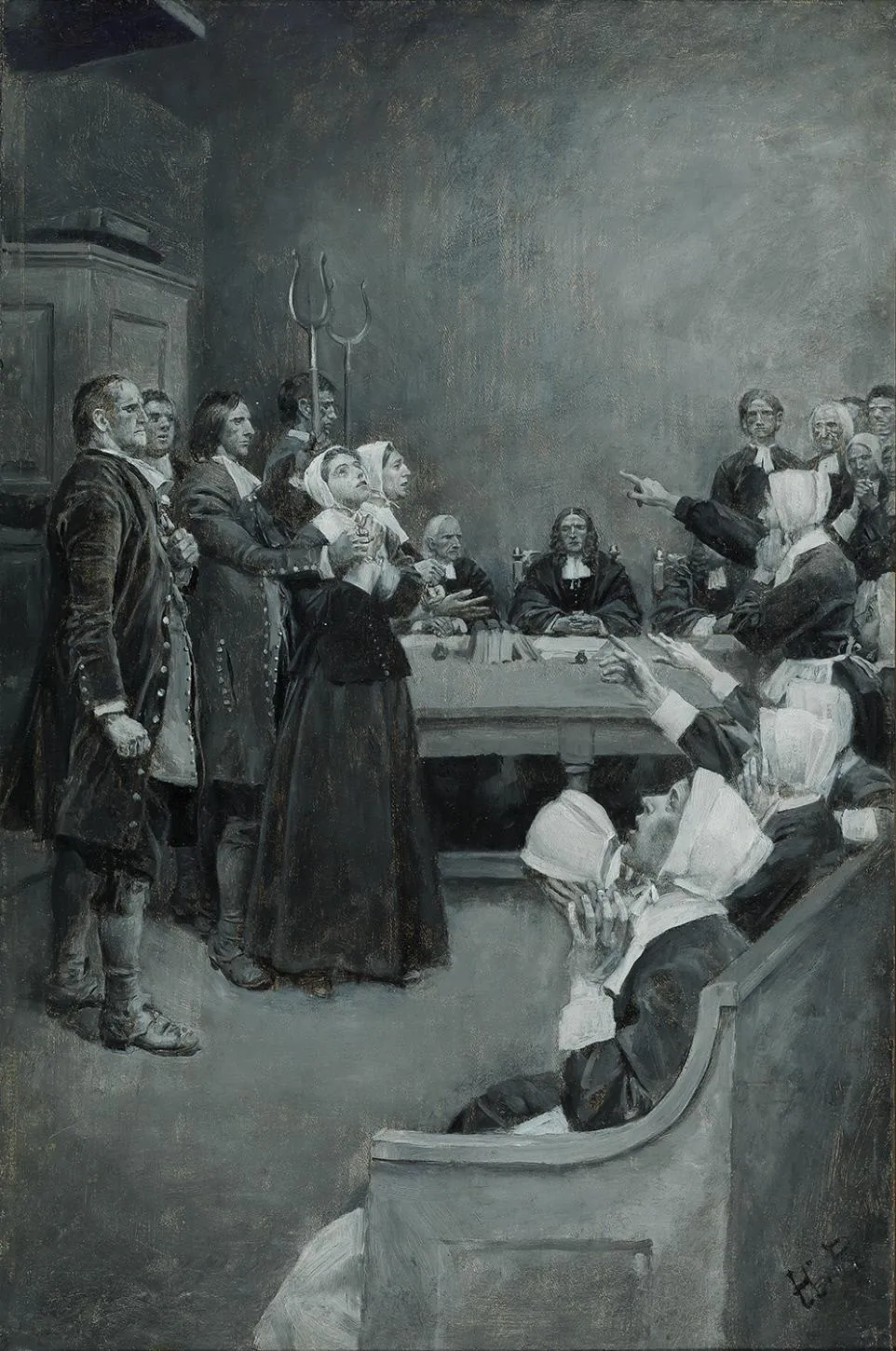
In puritanical Salem in 1692, a group of young girls, led by the scheming Abigail, accuse more and more of their fellow citizens of witchcraft. Out of personal revenge and mass hysteria, an avalanche of false accusations arises. The farmer John Proctor, who had an affair with Abigail, tries to stop the madness but falls under the court's suspicion himself. Faced with the choice of signing a false confession to survive or telling the truth and dying, Proctor chooses integrity and goes uprightly to his death.
Cultural significance
The Crucible is a timeless parable of mass hysteria, denunciation, and the courage of the individual against the pressure of conformity. As an allegory of McCarthyism, the play struck a nerve and became Miller's most frequently performed work. The term "witch hunt" still shapes political discourse today. The drama remains relevant worldwide wherever fear, fanaticism, and political persecution poison societies.