About the work
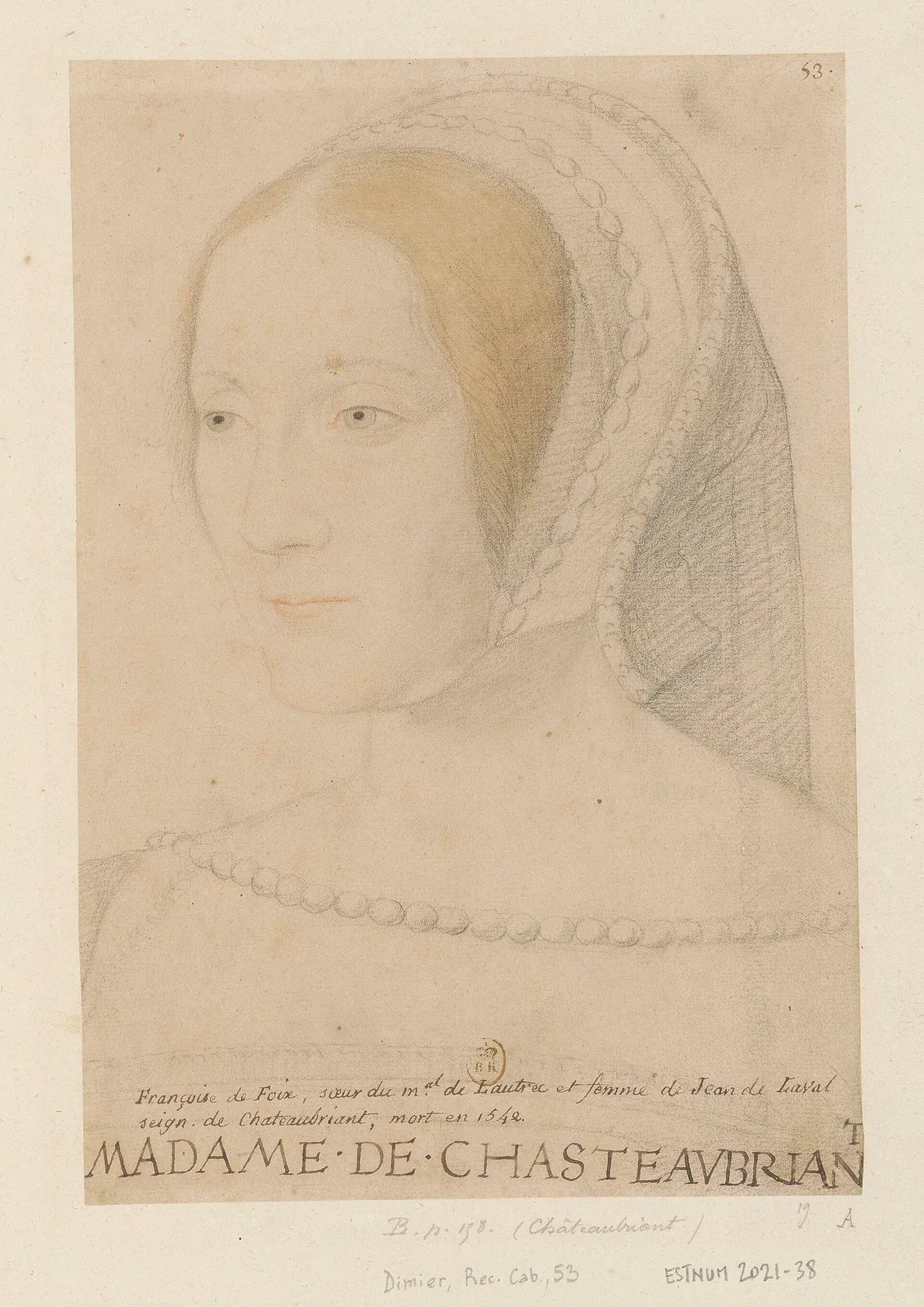
Melodramma giocoso in one act by Gaetano Donizetti to a libretto by Domenico Gilardoni, whose subject – the French noblewoman Françoise de Foix – had previously been treated in Henri Montan Berton's opéra-comique 'Françoise de Foix'. Donizetti wrote the work in 1831 specifically for the name day (onomastico) of King Ferdinand II, and it was premiered at the Teatro San Carlo in Naples on 30 May 1831 under conductor Nicola Festa.
Plot
A jealous count keeps his beautiful wife away from society by publicly claiming she is ugly. The king and a duke secretly bring the countess to court, where her beauty causes a sensation, and the king announces a tournament for her hand. Only when the count confesses his deception is the misunderstanding resolved and the marriage preserved.
Cultural significance
The premiere, with baritone Antonio Tamburini as the king, ran for seven performances before briefly moving to the smaller Teatro Fondo and then returning to the San Carlo. Unusually, the characters are identified only by rank rather than by personal names. Musicologist William Ashbrook long dismissed the work as 'largely inconsequential'; more recent critics disagree, viewing it as a miniature compendium of early Ottocento operatic style. Donizetti himself trusted the score enough to reuse material from it in 'Ugo, conte di Parigi' and 'L'elisir d'amore'.