About the work
“Fräulein Else” is a novella by Arthur Schnitzler, first published in 1924 in the journal “Die neue Rundschau” and as a book by Paul Zsolnay in the same year. It is written almost entirely as the interior monologue of its title character. The story has been brought to the stage in various adaptations, among them a version by Ernst Lothar at the Theater in der Josefstadt in Vienna in 1936; the novella itself is not a play but continues to be performed in stage versions of its own.
Plot
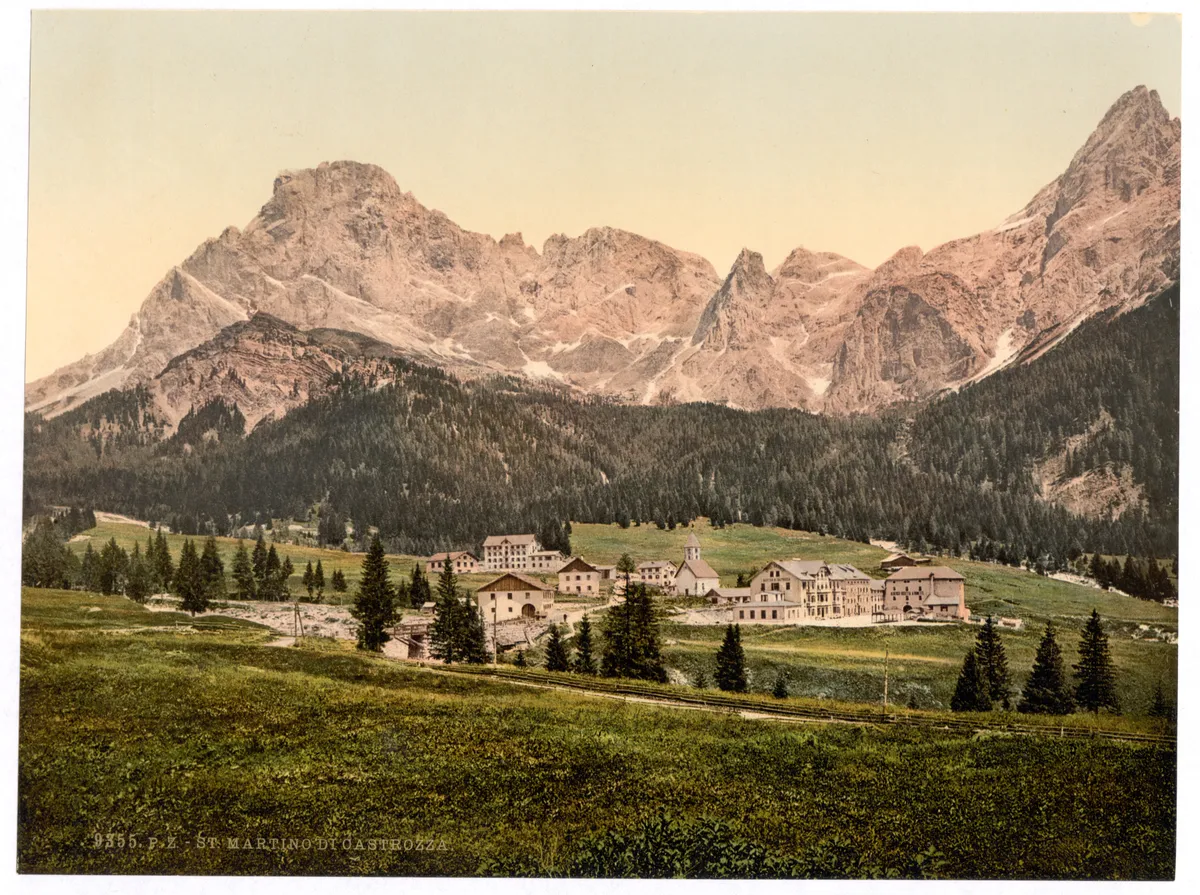
Young Else T., daughter of a Viennese lawyer, is spending a few holiday days at the resort of San Martino di Castrozza in the Dolomites at her aunt's expense. A letter from her mother tells her that her father has embezzled trust money and faces arrest unless 30,000 gulden are found quickly. Else is to ask the wealthy art dealer Dorsday for the money; he is willing to pay, but in return demands to see her undressed. Torn between duty and self respect, Else searches for a desperate way out.
Cultural significance
The novella is regarded as a major work of Viennese Modernism and a masterpiece of the interior monologue technique that Schnitzler had already tried out in “Lieutenant Gustl” (1900). It combines psychological precision with sharp criticism of a society that turns a young woman into an object of exchange. Contemporaries such as Hugo von Hofmannsthal and Stefan Zweig praised it, and it was followed by numerous stage adaptations and films, among them a 1929 version starring Elisabeth Bergner.