About the work
Long Day's Journey into Night is an autobiographical play in four acts by Eugene O'Neill, written in 1941 and premiered posthumously in 1956. It won the Pulitzer Prize and is regarded as the summit of American drama.
Plot
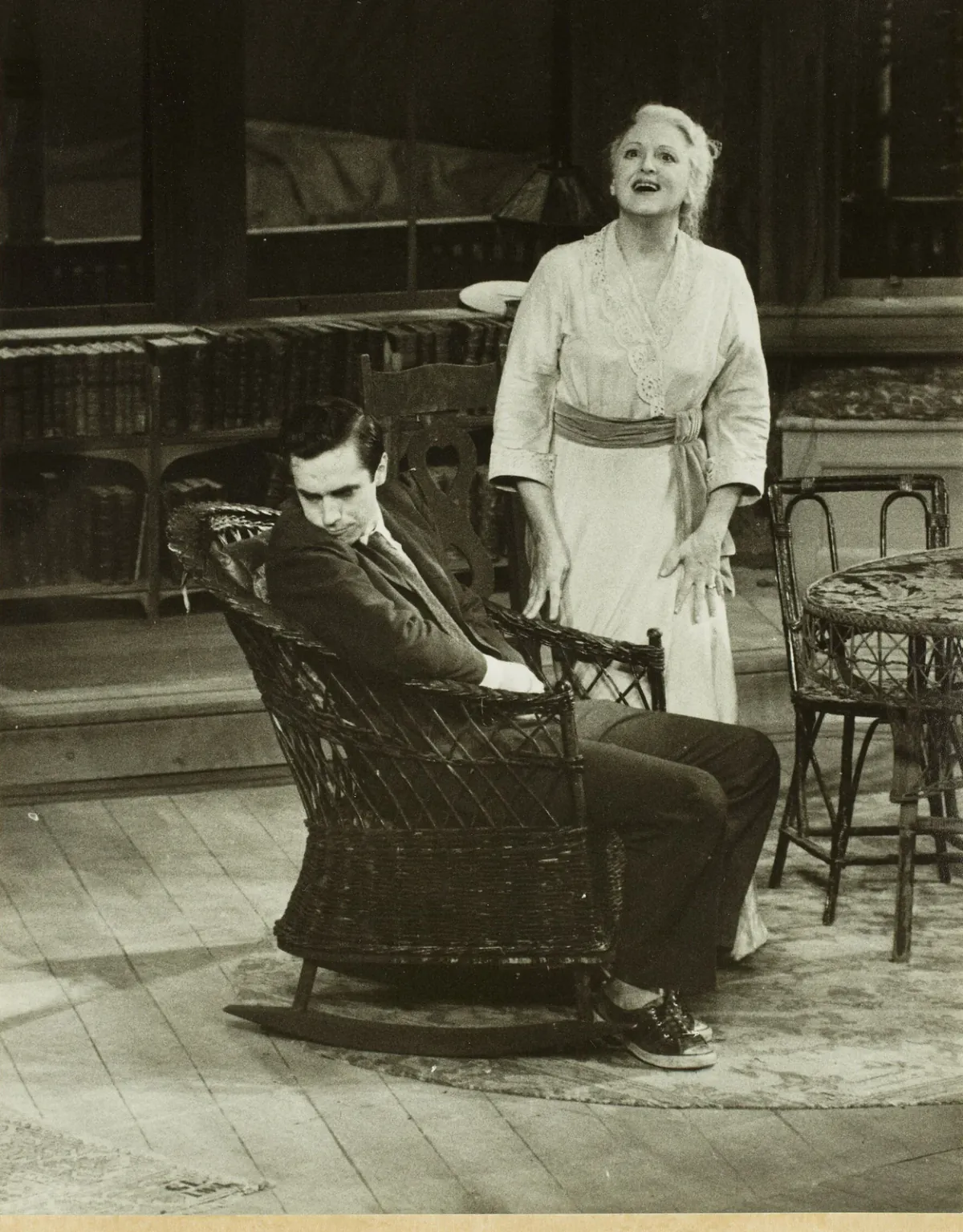
Over a single summer day in 1912, the drama of the Tyrone family unfolds in their summer house. The miserly father James, an ageing actor; the morphine-addicted mother Mary; the cynical, drinking elder son Jamie; and the sickly, sensitive younger son Edmund (O'Neill's alter ego) tear at one another in a grinding cycle of accusation, love, guilt, and denial. As Mary's relapse into addiction becomes apparent and Edmund's tuberculosis diagnosis shakes the family, all the repressed truths emerge over the course of the day and night.
Cultural significance
Long Day's Journey into Night is O'Neill's unsparing reckoning with his own family, which he wished to see published only after his death. The drama is regarded as one of the greatest works of American theatre and the high point of psychological family dissection. With merciless honesty and deep compassion, it portrays people who simultaneously destroy and love one another. O'Neill remains the only American dramatist to have received the Nobel Prize in Literature.