
About the work
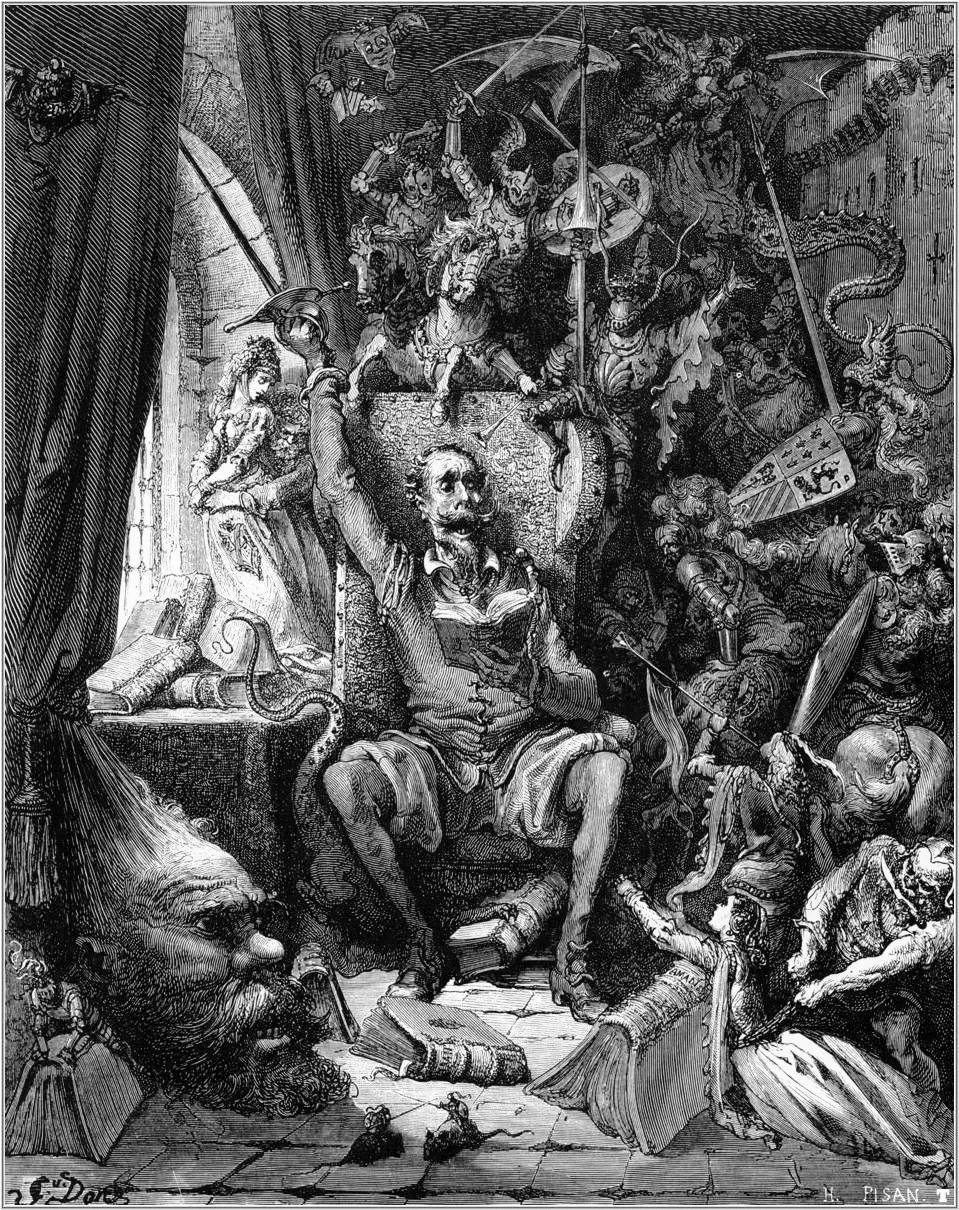
Marius Petipa and Lev Ivanov's „Don Quixote" was premiered in Moscow in 1869, with music by Ludwig Minkus. The ballet borrows only a small episode from Cervantes's novel: the love story between Kitri and Basilio in Barcelona, into which Don Quixote intervenes as observer and protector. The wedding divertissement of the third act is one of the most virtuosic dance scenes in the classical repertoire.
Plot
In the marketplace of Barcelona, the innkeeper's daughter Kitri loves the poor barber Basilio, but her father Lorenzo wants to marry her to the ridiculous nobleman Gamache. Don Quixote, wandering with Sancho Panza, takes Kitri to be his Dulcinea and protects the lovers. Kitri and Basilio flee to a tavern, then to a gypsy camp. Don Quixote charges in his delusion against windmill-giants. In a dream-vision Dulcinea and the Queen of the Dryads appear to him. In the final act — the famous wedding divertissement — Basilio fakes his death in the tavern; Don Quixote persuades Lorenzo to give the dying man Kitri's hand. As soon as the consent is granted, Basilio springs up alive, and the wedding feast begins with the iconic Kitri/Basilio pas de deux with fan, 32 fouettés and eight high jumps.
Cultural significance
Don Quixote is the joyous summit of the classical Petipa repertoire and the most technically demanding „bravura ballet" for the leading ballerina. The third-act pas de deux belongs to the standard repertoire of every prima ballerina — it includes the near-impossible 32 fouettés. Performances at the Bolshoi with Maya Plisetskaya, Natalia Bessmertnova and at the Royal Ballet with Carlos Acosta are reference productions. Less performed in Western Europe than Swan Lake, but a central repertoire piece in Latin America and Russia.