About the work
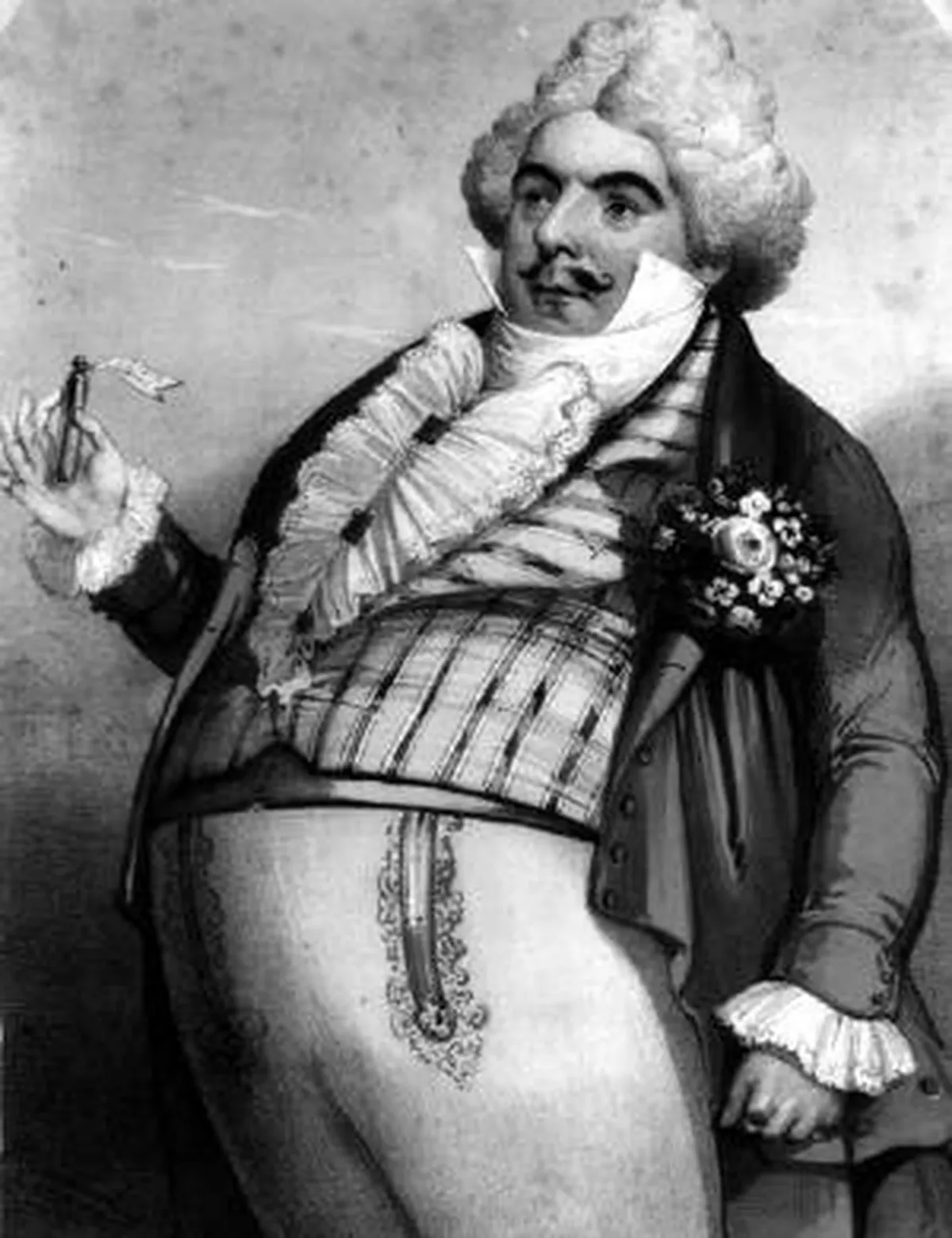
Gaetano Donizetti's three-act comedy was premiered at the Théâtre-Italien in Paris in 1843 and is Donizetti's penultimate opera. The libretto by Giovanni Ruffini and Donizetti himself is based on a model by Angelo Anelli (1810) and belongs to the buffa sub-genre of the wealthy old man in love who is outwitted by clever youth.
Plot
Don Pasquale, a wealthy old bachelor, is furious: his nephew Ernesto refuses to enter an arranged rich marriage because he loves the young widow Norina. Pasquale decides to marry himself, in order to disinherit Ernesto. Doctor Malatesta, ostensibly Pasquale's friend, introduces him to his supposed sister „Sofronia" (in reality Norina). After a sham wedding, the demure Sofronia turns into a capricious spendthrift who makes Pasquale's house unbearable. Pasquale despairs. Catching her in a clandestine letter exchange with Ernesto, he experiences the breakdown of the marriage. Malatesta unveils the scheme — Pasquale is relieved, forgives everyone and blesses Ernesto and Norina.
Cultural significance
Don Pasquale is Donizetti's comic crowning achievement and is considered the last great work in the Italian opera-buffa tradition. Norina's entrance aria „Quel guardo, il cavaliere" and the serenade duet „Tornami a dir che m'ami" rank among the most-sung items in the repertoire. The patter duets between Pasquale and Malatesta are virtuoso models; the work appears regularly on the schedule of nearly every major international opera house.