About the work
Richard Strauss' three-act comic opera was composed in 1934-35 to a libretto by Stefan Zweig, based on Ben Jonson's comedy „Epicoene, or The Silent Woman" (1609). The 1935 Dresden premiere was overshadowed by politics — Zweig's name as a Jewish librettist led to a performance ban after only three nights.
Plot
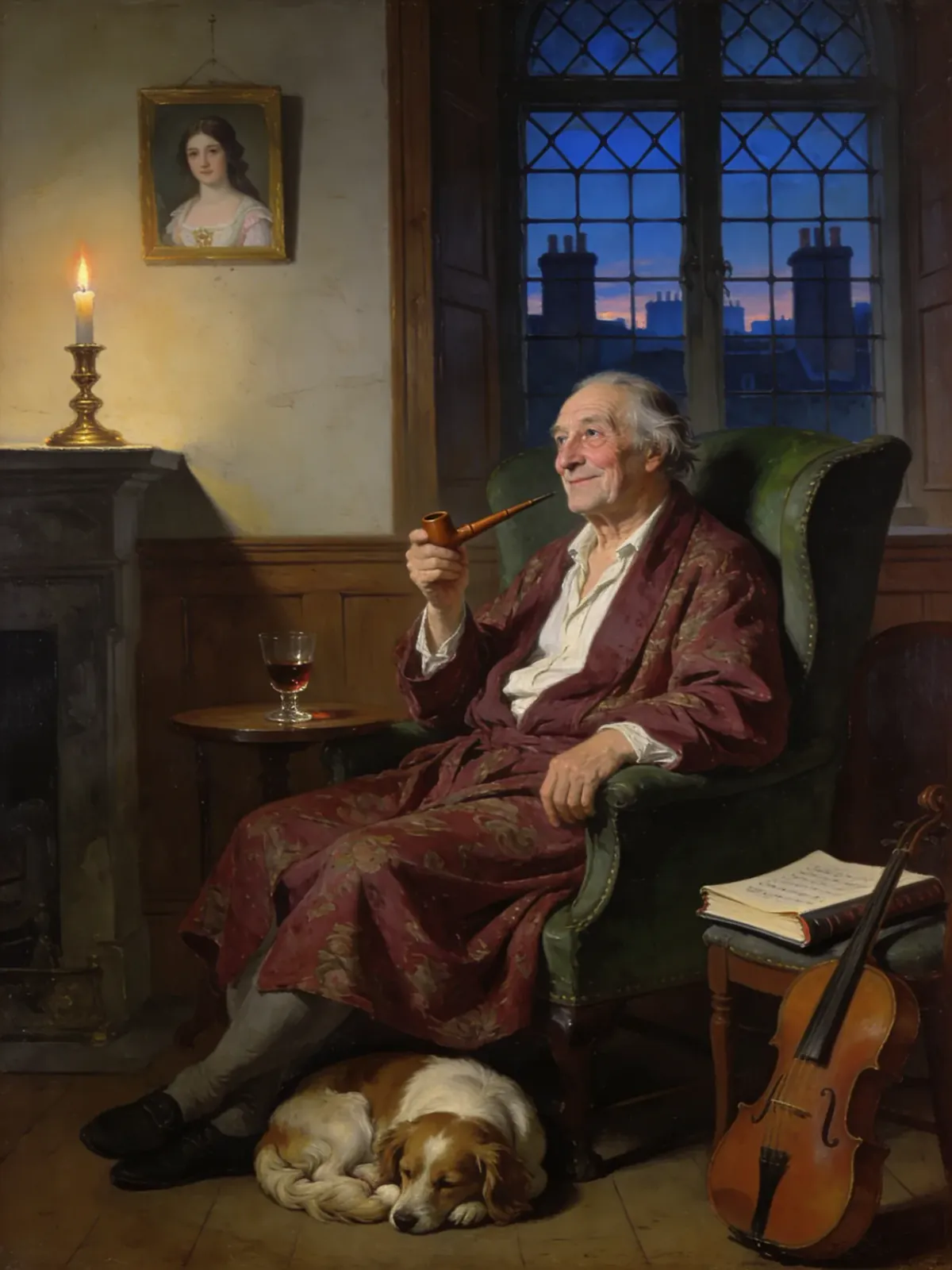
Sir Morosus, a retired old sea dog who loathes all noise, is searching for a silent wife. His nephew Henry, married to an opera troupe singer, has fallen into his uncle's disgrace. The barber Schneidebart and the troupe stage a prank: Henry's wife Aminta poses as the gentle „Timidia" whom Morosus marries — only to transform after the wedding into a shrieking fury. A fake divorce with bogus lawyers and judges drives Morosus to despair. When the comedy is finally revealed, the old man is relieved, forgives Henry and Aminta and makes peace with the noise of life.
Cultural significance
Die schweigsame Frau is considered Strauss's most light-hearted late work and his last purely comic opera. It is marked by transparent orchestration, Mozartian allusions and a coloratura part for Aminta that ranks among the most demanding in the soprano repertoire. The premiere's history — Strauss's conflict with the Nazi regime over keeping Zweig's name on the poster — has become a key episode in any account of his compromised position in the Third Reich.