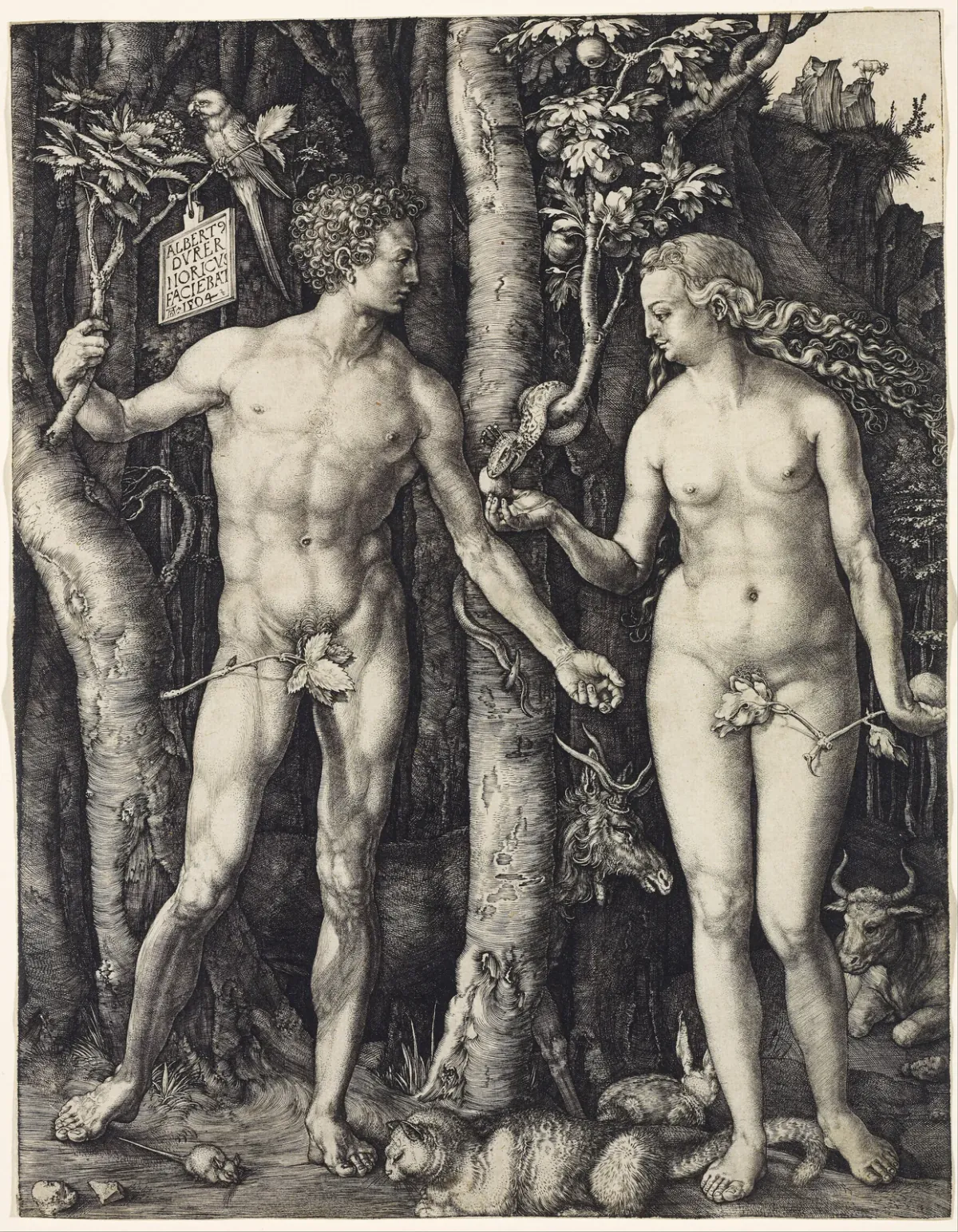
About the work
Die ersten Menschen ("The First Humans") is an opera in two acts by Rudi Stephan, to a libretto by Otto Borngräber that treats the biblical story of the first human family as an "erotic mystery". It is the only completed opera by the gifted composer, who was killed in 1915 at the age of just 28 in the First World War; he did not live to see the premiere, which took place in Frankfurt in 1920. Stephan's music unites late-Romantic sensuousness with expressionist ardour.
Plot
Adahm and Chawa, the first humans, live with their sons Kajin and Chabel after the expulsion from Paradise. Tension grows between the unlike brothers: the sensual, rebellious Kajin and the gentle, devout Chabel vie for their mother's favour and for awakening desire. When passion erupts, Kajin strikes his brother Chabel dead. The first humans are left behind, shaken by guilt, death and the dark power of eros that has come into the world with humankind.
Cultural significance
Die ersten Menschen is regarded as the most important legacy of Rudi Stephan, whose early death is counted among the great losses of twentieth-century German music. Long known only to connoisseurs, the expressionist work has enjoyed a revival in recent years — including as a celebrated "Rediscovery of the Year" at Oper Frankfurt — and is admired for its bold fusion of myth, eroticism and orchestral intoxication.