About the work
The Bride of Messina is a tragedy with choruses that Friedrich Schiller completed in 1803; it premiered at the Weimar court theatre on 19 March 1803, with Schiller's nine-year-old son Karl appearing in the small role of a page. Schiller set out to fuse ancient tragedy in the manner of Sophocles and Euripides with the resources of the modern stage.
Plot
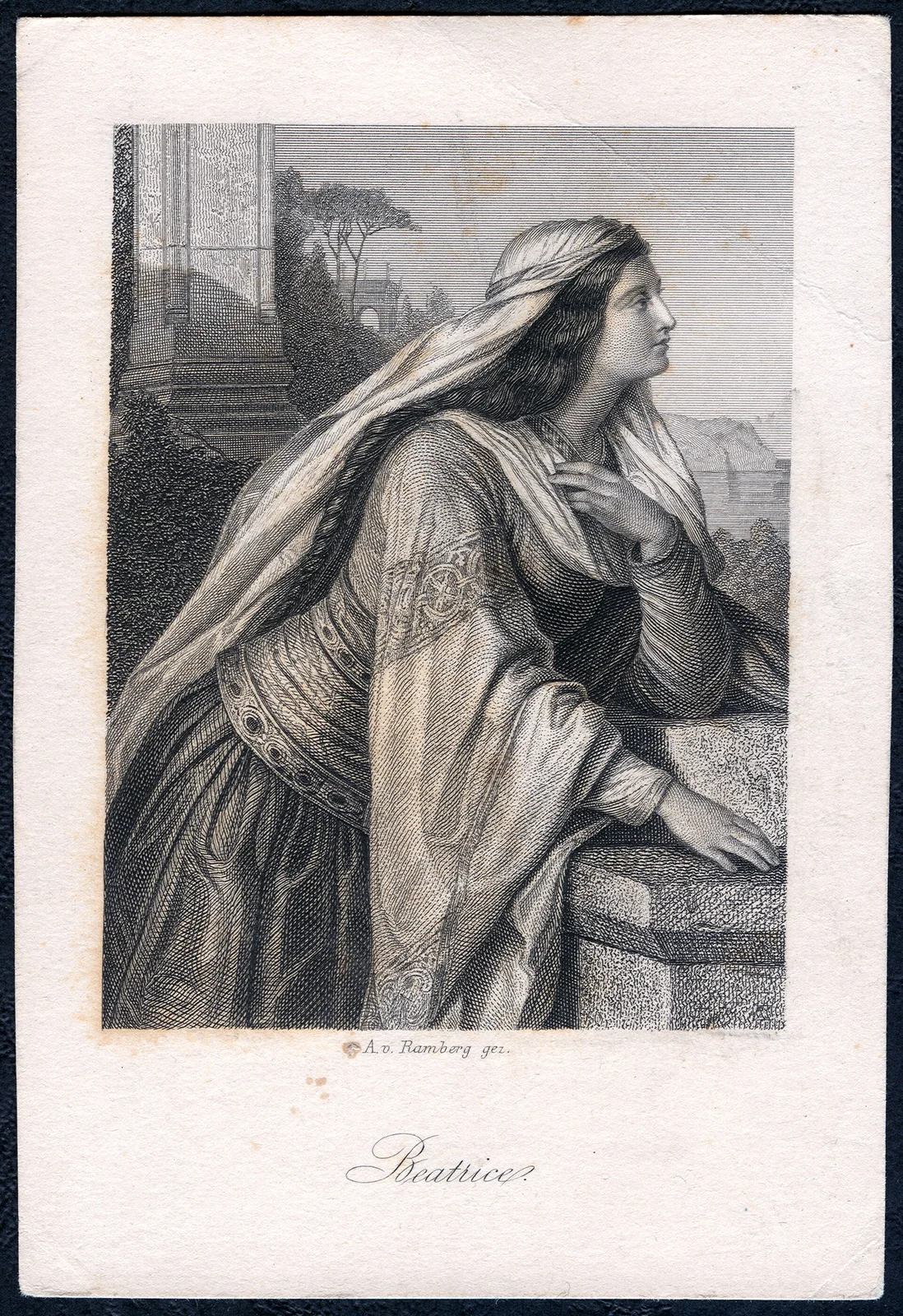
Princess Isabella reveals to her once-feuding, now reconciled sons Manuel and Cesar that they have a sister who was raised in a convent because of an old prophecy. Unknown to each other, both brothers have fallen in love with the same woman, Beatrice. Out of jealousy Cesar stabs his brother Manuel; once their true kinship comes to light, he takes his own life in remorse.
Cultural significance
Unusually for the genre, the chorus splits into two factions loyal to each brother and actively intervenes in the plot instead of merely commenting as in antiquity. The premiere flopped, and the play was long considered one of Schiller's weaker works; critic Clemens Brentano, for instance, only revised his early verdict on the stiff choruses in 1814.