About the work
The Tsar Has His Photograph Taken (Der Zar lässt sich photographieren) is a one-act opera buffa by Kurt Weill, premiered in Leipzig in 1928. The libretto by Georg Kaiser is a witty, satirical comedy of mistaken identity, written shortly before Weill's worldwide success The Threepenny Opera.
Plot
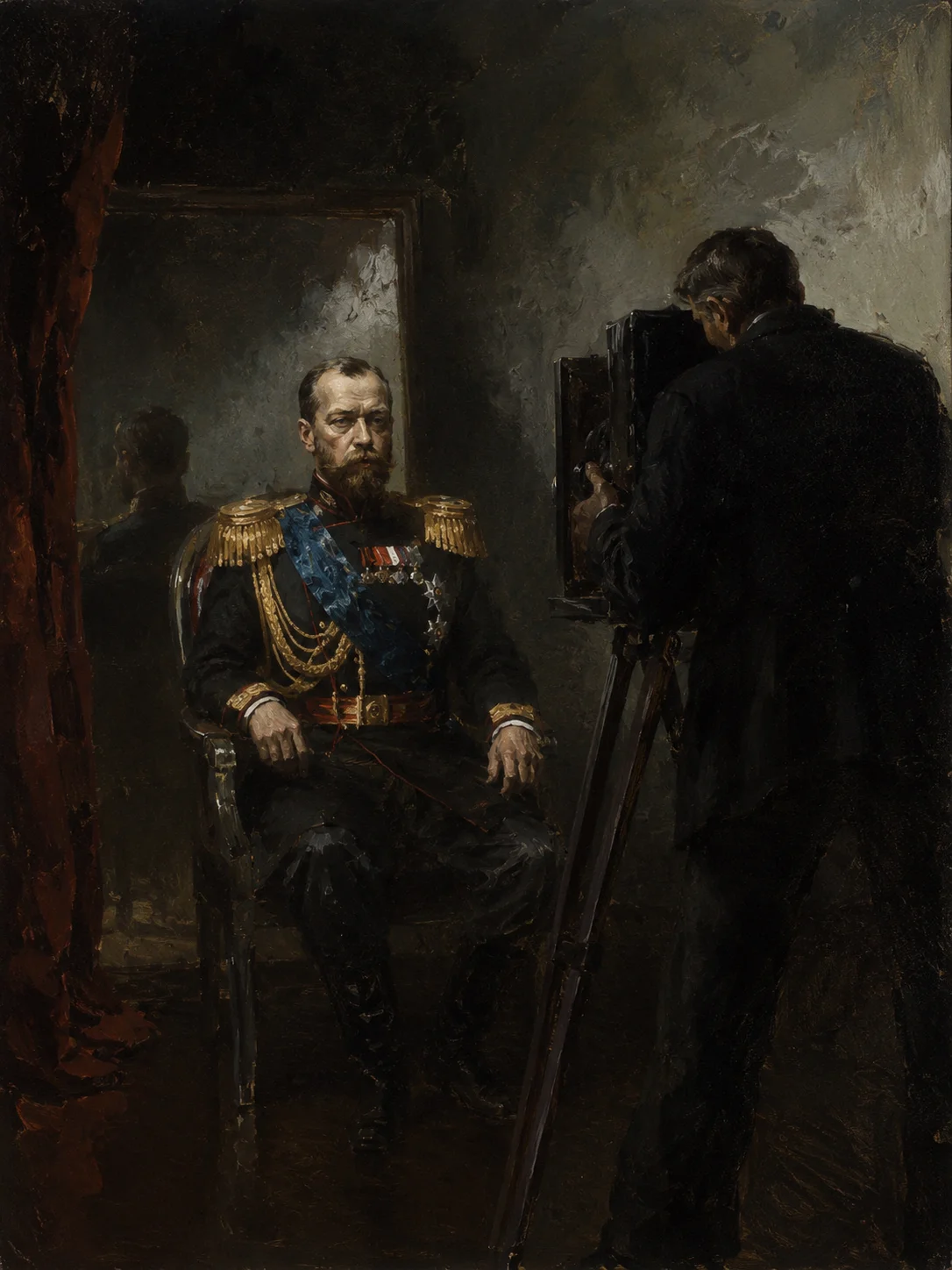
During a state visit to Paris, a Tsar visits the fashionable photographic studio of Angèle to have a portrait taken. A group of conspirators, however, has overpowered and replaced the real photographer and her staff; a false Angèle is to shoot the Tsar with a pistol disguised as a camera. But the Tsar, charmed by the supposed photographer, begins to flirt with her and, through his unpredictable behaviour, repeatedly thwarts the assassination. The conspiracy founders on the comedy of the situation.
Cultural significance
The Tsar Has His Photograph Taken shows Weill on the way from late-Romantic modernism to his popular, jazz-influenced style. Famous is the "Tango Angèle," which sounds from a gramophone played on stage—an early use of this effect. The combination of fine irony, social satire, and dance rhythms makes the short opera an appealing testimony to the Weimar music-theatre avant-garde.