About the work
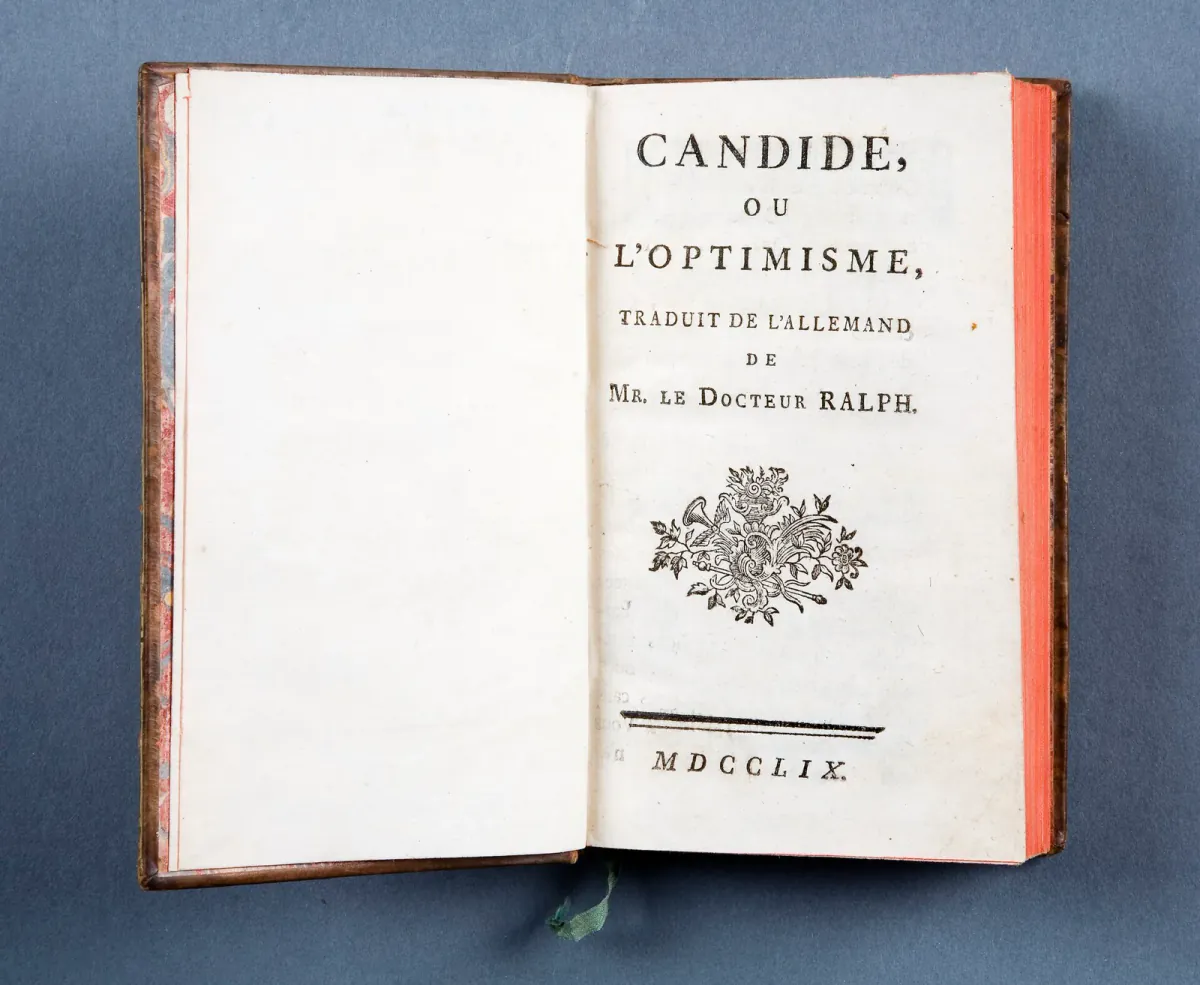
Candide is a comic operetta by Leonard Bernstein, first performed on 1 December 1956 at the Martin Beck Theatre in New York. It is based on Voltaire's 1759 satirical novella "Candide, or Optimism." The original book was by Lillian Hellman; the now-standard version was reshaped in 1973–74 by Hugh Wheeler, with lyrics contributed by Richard Wilbur, John Latouche, Dorothy Parker, Stephen Sondheim and Bernstein himself. Bernstein's score fuses Broadway verve with the craft of European operetta, drawing on the waltz, tango, gavotte and schottische. Its brilliant overture is among the most frequently played concert pieces in the American repertoire, and the breakneck coloratura aria "Glitter and Be Gay" is a touchstone for lyric sopranos. The work hovers between musical, operetta and opera — an in-between status that helps explain its tangled revision history.
Plot
The naïve Candide grows up at Castle Thunder-ten-Tronckh, where the philosopher Pangloss teaches him that everything happens for the best in "the best of all possible worlds." Expelled from this paradise for loving the beautiful Cunegonde, Candide wanders the globe through a chain of catastrophes: war, the Lisbon earthquake, the Inquisition, robbery and betrayal. By way of Buenos Aires, the fabled golden land of Eldorado, Surinam and Venice, his path keeps crossing those of Cunegonde, the vain Maximilian, the Old Lady and the servant Cacambo. In the end, stripped of every illusion about the ways of the world, Candide rejects his teacher's naïve optimism and withdraws with his companions to the countryside — resolving, as the famous final chorus has it, simply to "cultivate his garden."
Cultural significance
Candide met with only modest success in 1956 and was reworked repeatedly over the decades until the Wheeler version prevailed. Today it counts among the musically richest works of American music theatre and is staged by opera houses and musical theatres alike. Voltaire's mockery of the Leibnizian thesis of the best of all possible worlds takes on an iridescent, bittersweet musical form in Bernstein's hands; the closing chorus "Make Our Garden Grow" has become a humanist anthem that invokes resignation and resolve in the same breath.