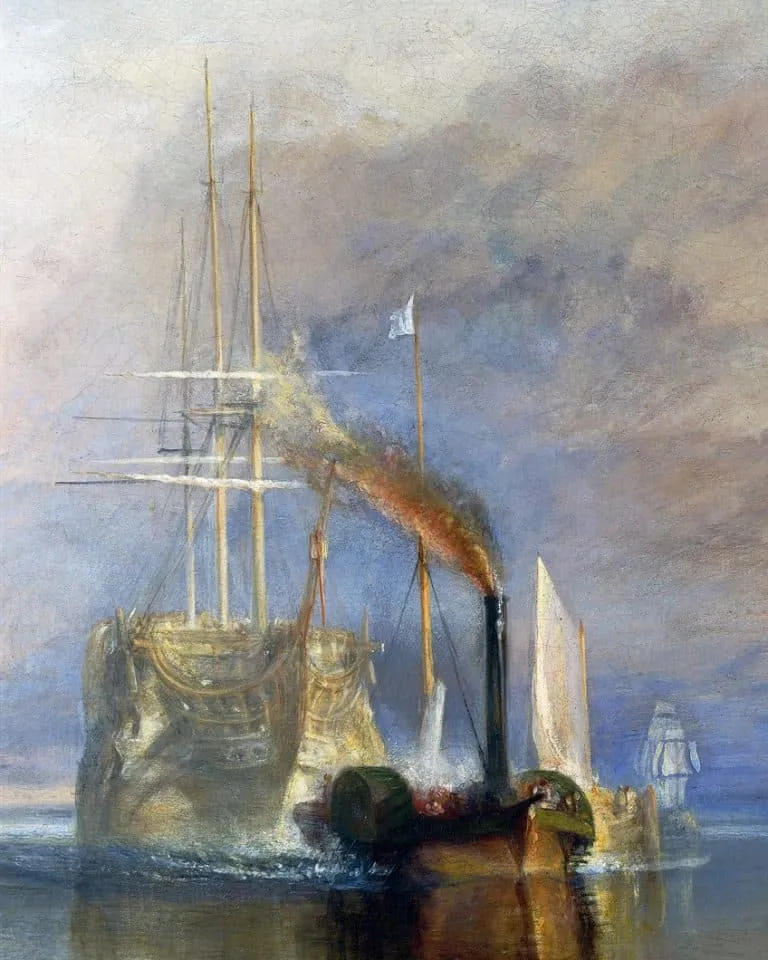
About the work
Benjamin Britten's two-act opera was premiered at the Royal Opera House Covent Garden in 1951. The libretto by E. M. Forster and Eric Crozier is based on Herman Melville's posthumous novella (1924) and depicts a moral drama aboard a British warship during the Napoleonic Wars.
Plot
Aboard HMS Indomitable, 1797, the young handsome sailor Billy Budd is press-ganged into service. Despite a speech impediment (he stammers under stress), Billy quickly wins the crew's sympathy. Only the Master-at-Arms John Claggart hates him without reason — Britten's famous aria „O beauty, o handsomeness, goodness" reveals Claggart's dark attraction to Billy's purity, which he feels he must destroy. Claggart falsely accuses Billy of mutiny. Captain Vere confronts the men in his cabin. Billy, speechless with rage, cannot defend himself — and in a moment of despair strikes Claggart down with his fist. Claggart dies of the blow. Under naval law Billy must be hanged, though all know that morally he is in the right. Captain Vere wrestles with the decision — Billy's final cry „Starry Vere, God bless you!" haunts Vere into old age, the framing through which the opera looks back.
Cultural significance
Billy Budd is Britten's most dramatically concentrated opera and one of the most significant all-male operas (no women's chorus, no female roles). The theologically complex question of guilt, innocence and law is meditatively distilled in Vere's closing monologue. The work has been regularly in the major houses since the 1990s; productions by David Alden, Michael Grandage and Deborah Warner are reference performances. The double authorship of Britten and Forster makes the homoerotic subtext historically and musically unmistakable.