About the work
“Auslöschung. Ein Zerfall” (Extinction) is the last and longest novel by the Austrian writer Thomas Bernhard. The manuscript was essentially finished in 1982, and the book was published in 1986 by Suhrkamp in Frankfurt am Main. The novel has been adapted for the stage several times, among others by Oliver Reese at the Theater in der Josefstadt (2016) and by Karin Henkel at the Deutsches Theater Berlin (2022). At the Burgtheater in Vienna, Therese Willstedt (director) and Jeroen Versteele presented their own version on 16 October 2025.
Plot
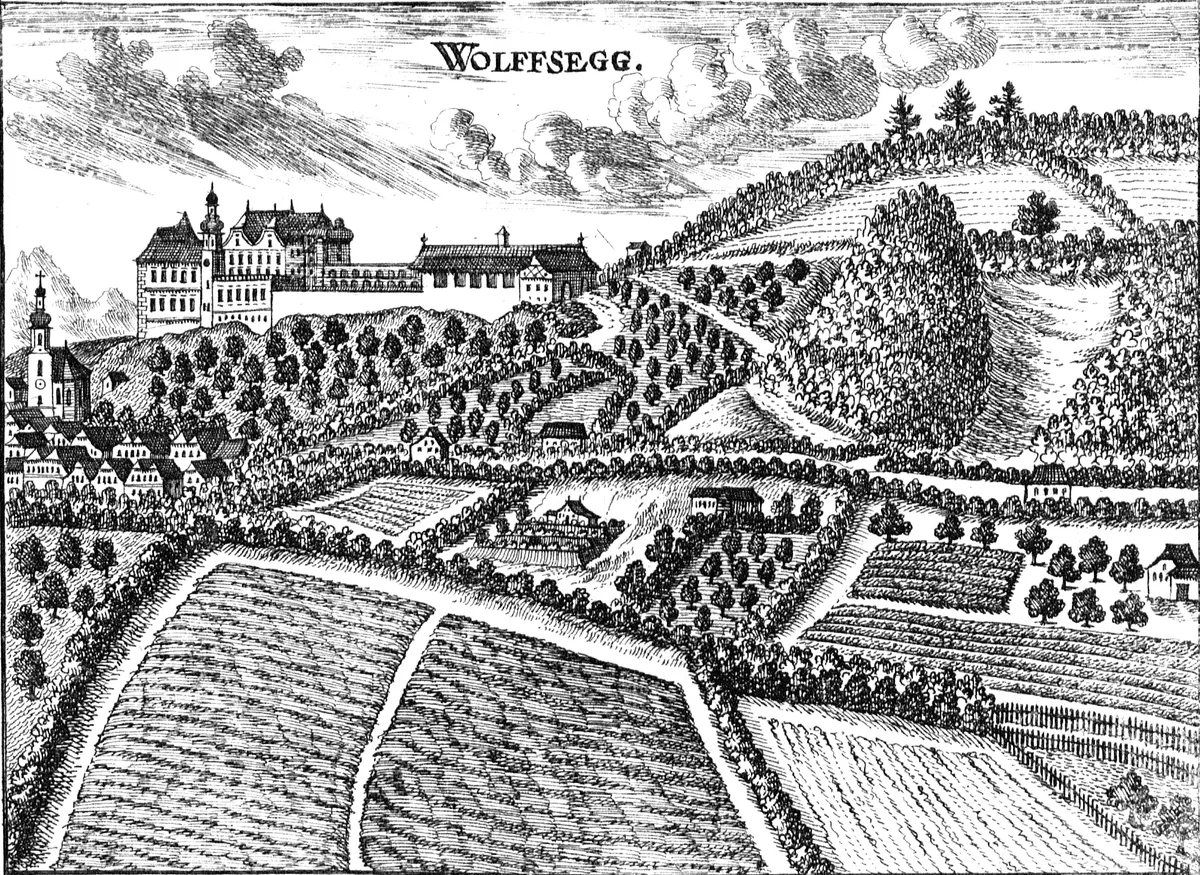
Franz-Josef Murau, an Austrian approaching fifty, lives in Rome and teaches literature and philosophy to his pupil Gambetti. A telegram informs him that his parents and his brother Johannes have been killed in an accident. In the first part, “The Telegram”, he settles accounts with his origins at the family seat of Wolfsegg in Upper Austria in a long interior monologue. The second part, “The Will”, describes the funeral at Wolfsegg; afterwards Murau gives the entire estate to the Jewish community of Vienna.
Cultural significance
The novel is regarded as the summation of Bernhard's prose and is often called his masterpiece. It is a radical reckoning with Austria, with the legacy of National Socialism, with family and childhood, and at the same time a reflection on writing itself. The text has no chapters or paragraphs and is driven by repetition, exaggeration and musical variation.