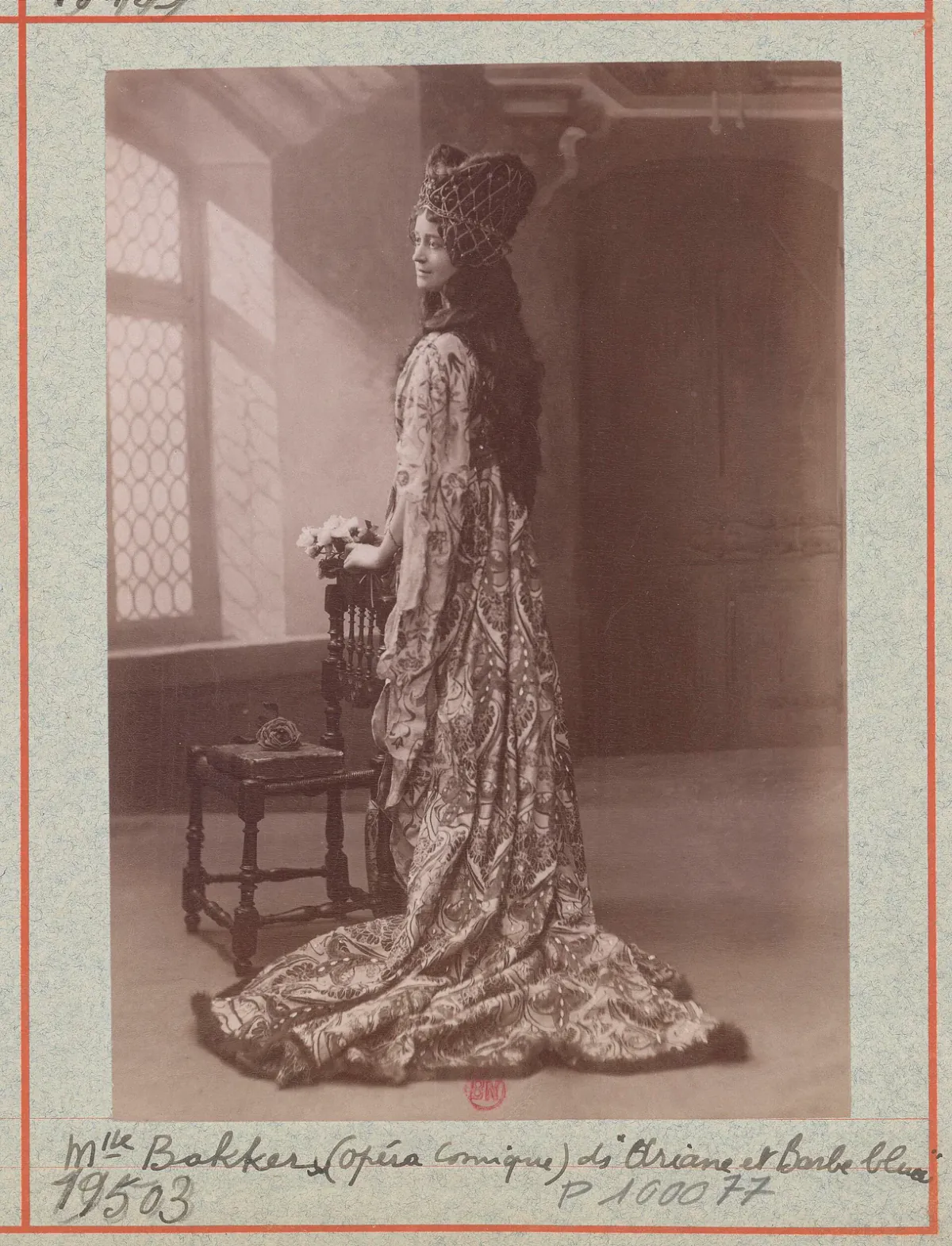
About the work
Opera in three acts by Paul Dukas to a libretto specially adapted by Maurice Maeterlinck from his symbolist play "Ariane et Barbe-bleue" (1899) – itself a free reworking of Charles Perrault’s Bluebeard tale. Dukas composed the score between 1899 and 1906; it premiered on 10 May 1907 at the Paris Opéra-Comique, with Georgette Leblanc in the title role.
Plot
Ariane, Bluebeard’s sixth wife, defies his order never to use the seventh, forbidden key. Behind the door she finds not corpses but Bluebeard’s five previous wives, kept alive but captive in darkness. Ariane frees them and leads them toward the light; when enraged peasants wound Bluebeard, the women tend to him. In the end, only Ariane leaves the castle for freedom, while the others, accustomed to their captivity, choose to stay.
Cultural significance
Dukas’s only completed opera was at first prized mainly by connoisseurs such as Schoenberg, Berg and Messiaen, and is now regarded as one of the major French operas of the turn of the century, akin to Debussy’s "Pelléas et Mélisande" on a text by the same author.