About the work
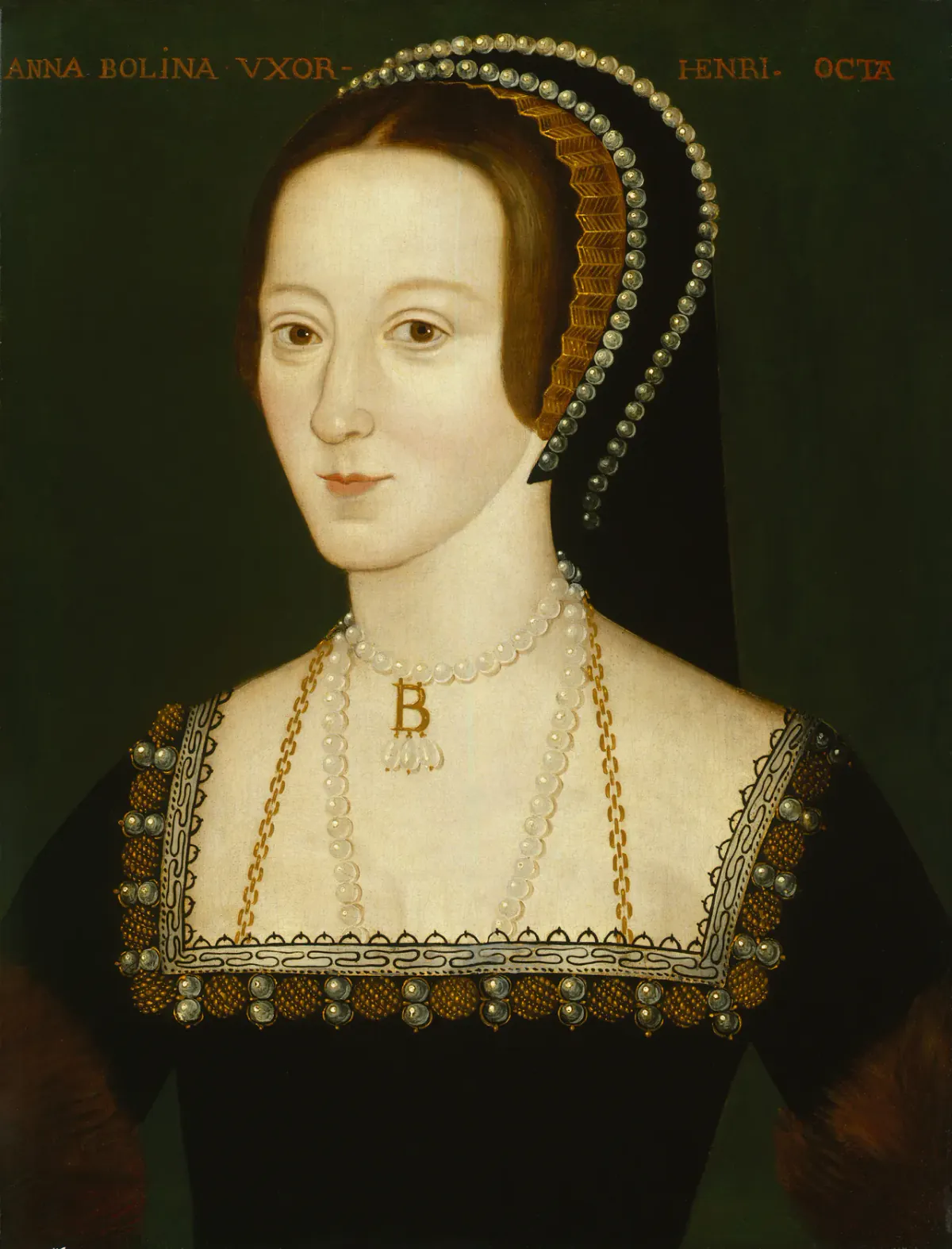
Gaetano Donizetti's two-act opera was premiered on 26 December 1830 at the Teatro Carcano Milan and secured Donizetti's international reputation after years of more modest successes. Felice Romani's libretto dramatises the final months of Anne Boleyn, the second wife of Henry VIII, before her execution for alleged adultery. The opera stands as the first work in Donizetti's so-called 'Tudor Queens' trilogy, along with Maria Stuarda and Roberto Devereux.
Plot
Anne Boleyn, now Queen of England, senses Henry VIII's attentions shifting to her lady-in-waiting Jane Seymour. Her former lover Lord Percy, returned from exile, still loves her hopelessly. Jane, torn between friendship with Anna and obedience to the king, confesses to Anne—who forgives her. A plot is manufactured: Anne is accused of adultery, arrested, and condemned alongside Percy and others. In the tower, awaiting execution, Anne descends into magnificent madness; her final scene, moving between memory and delusion, is one of the great mad scenes in opera.
Cultural significance
Anna Bolena launched the Italian nineteenth-century vogue for English historical subjects, established the mad scene as a key dramatic feature of bel canto, and remains the most frequently performed of the three Tudor Queens operas. The title role is a signature part for great dramatic coloratura sopranos; Maria Callas's 1957 La Scala Visconti production is the landmark performance of the modern era. Anna Netrebko's revival at the Metropolitan Opera in 2011 introduced the work to a new generation of audiences.