About the work
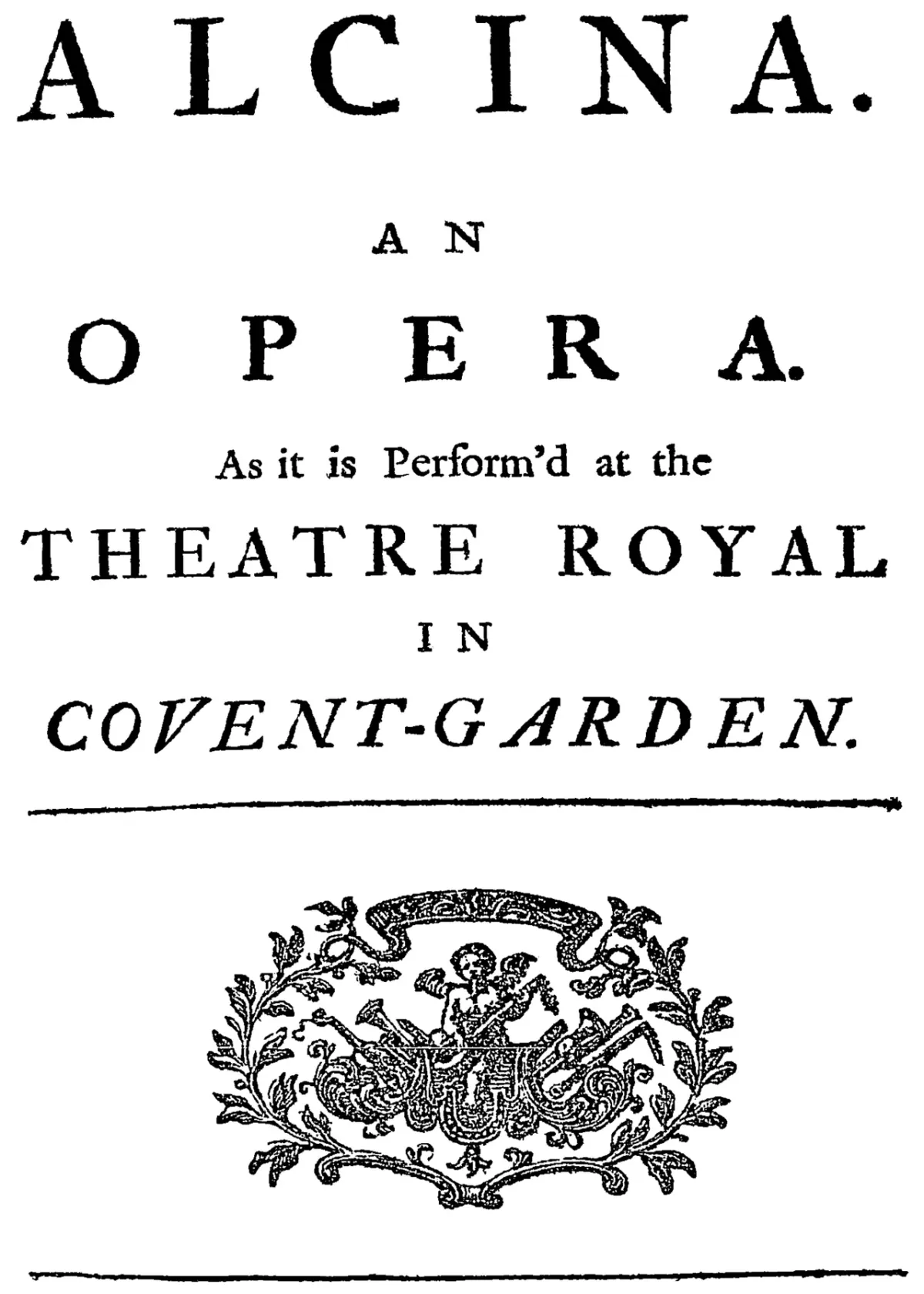
Handel's „Alcina" (HWV 34) was premiered at Covent Garden in London in 1735 and belongs to Handel's „magic operas" (together with „Orlando" and „Ariodante"). The anonymous libretto is based on Ludovico Ariosto's verse epic „Orlando furioso" and depicts the loves and enchantments on Alcina's magical island.
Plot
The sorceress Alcina lures men to her island and, after brief amorous pleasures, transforms them into animals, stones and plants. Currently she has the young knight Ruggiero in her thrall; he has forgotten his betrothed Bradamante. Bradamante arrives on the island disguised as a man, accompanied by her companion Melisso. They reveal themselves; with the help of a magic ring that breaks illusion, Ruggiero sees the island as it truly is: a desert of enchanted beings. Alcina's sister Morgana, entangled in several lesser love intrigues, is won back by her faithful Oronte. In the final act Bradamante destroys with the ring the magic urn in which Alcina's power resides. The enchanted return to human form, Alcina's island sinks, and she and Morgana fall into the abyss.
Cultural significance
Alcina is considered a peak of Handelian opera and has stood at the centre of the Handel revival ever since Joan Sutherland's legendary 1960 Milan performance. „Tornami a vagheggiar", „Verdi prati" and Alcina's lament „Ah! mio cor!" are central items of the Baroque vocal repertoire. Robert Carsen's production at the Théâtre des Champs-Élysées (1999, with Renée Fleming) and David McVicar's stagings are modern reference productions.