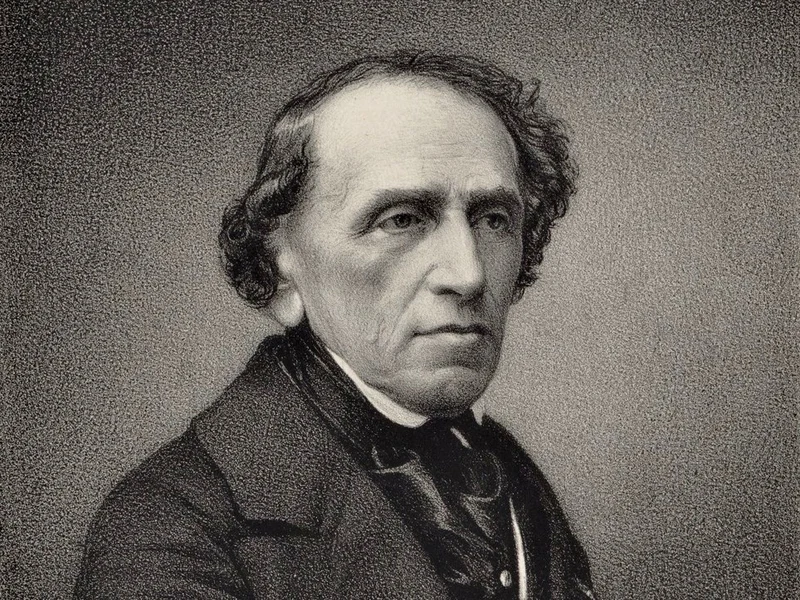
Biography
Giacomo Meyerbeer (1791-1864), born in Berlin as Jakob Liebmann Meyer Beer into a wealthy Jewish banking family, was the dominant operatic composer in Paris during the middle decades of the nineteenth century and the defining figure of French grand opera. Meyerbeer's four major works—Robert le Diable (1831), Les Huguenots (1836), Le Prophète (1849), and L'Africaine (1865, posthumous)—established the scale, spectacle, and musical ambition that Italian opera composers from Verdi onwards would both emulate and resist. Meyerbeer employed massive choruses, elaborate ballet sequences, and virtuoso solo writing. Richard Wagner's antisemitic 1850 essay Das Judentum in der Musik specifically attacked Meyerbeer, and Wagner's later rise effectively eclipsed Meyerbeer's once-overwhelming reputation. Meyerbeer died in Paris in 1864; his body was returned to Berlin for burial in the Jüdischer Friedhof Schönhauser Allee.
On Stagelog
Loading stats...