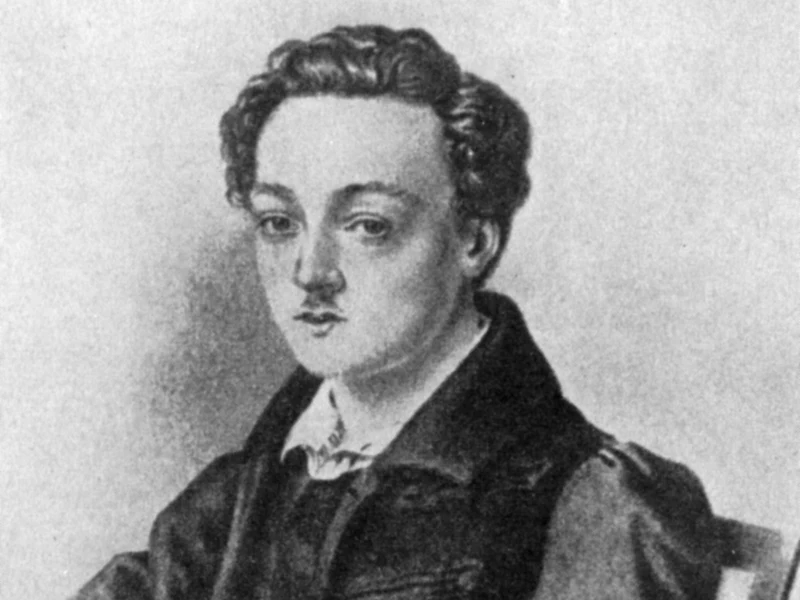
Biography
Georg Büchner (1813-1837), born in Goddelau in the Grand Duchy of Hesse, is one of the most astonishing figures in German literature—a radical political writer, physician, natural scientist, and dramatist whose three completed works anticipated theatrical modernism by nearly a century. Büchner wrote the revolutionary pamphlet Der Hessische Landbote (1834) and had to flee to France to escape arrest. During his brief exile and subsequent academic career in Zurich, he composed the play Dantons Tod (1835), the comedy Leonce und Lena (1836), and the unfinished Woyzeck (1836-37), along with the novella Lenz. His plays abandoned classical dramatic structure in favour of fragmentary, socially critical episodes that prefigured Expressionism, Brecht, and the Theatre of the Absurd. Büchner died of typhus in Zurich at twenty-three, just months after completing a doctoral dissertation in comparative anatomy. The Georg Büchner Prize, Germany's most prestigious literary honour, bears his name.
On Stagelog
Loading stats...